

Open channel flowmeters play a pivotal role in measuring fluid flow in non-full pipe scenarios, where the fluid does not completely fill the conduit, leaving a free surface exposed to the atmosphere. Their adaptability to such conditions makes them indispensable across various industries and applications.
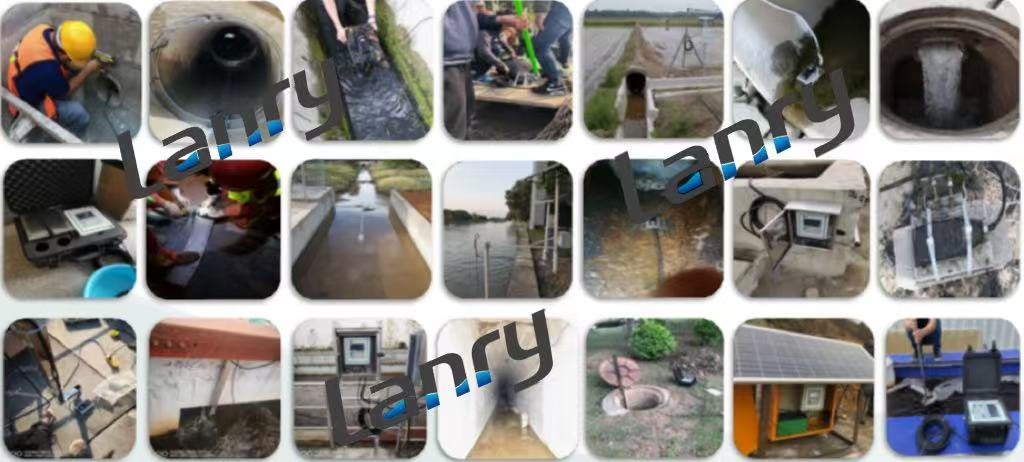
In municipal wastewater systems, non-full pipe flow is a common occurrence. Sewage lines often carry varying volumes of wastewater, especially during off-peak hours or in areas with fluctuating population density. Open channel flowmeters, such as those utilizing ultrasonic or electromagnetic principles, excel here. They can accurately measure the flow rate even when the pipe is only partially filled, ensuring efficient monitoring of wastewater transport. This data is crucial for managing treatment plant operations, preventing overflow, and planning infrastructure upgrades.
Industrial drainage systems also rely heavily on open channel flowmeters in non-full pipe situations. Factories and manufacturing facilities generate wastewater containing various contaminants, and the flow in their drainage pipes is rarely constant. These flowmeters provide real-time insights into the volume of effluent being discharged, helping industries comply with environmental regulations that limit pollutant discharge quantities. By monitoring non-full pipe flow, they can detect abnormal flow patterns early, indicating potential leaks or equipment malfunctions.
Irrigation systems are another key area where open channel flowmeters shine in non-full pipe applications. Agricultural fields use a network of channels and pipes to distribute water, and the flow is often adjusted based on crop needs, resulting in non-full pipes. These flowmeters accurately measure the water flow, allowing farmers to optimize water usage. By ensuring that each section of the field receives the right amount of water, they contribute to water conservation and improved crop yields, especially in regions where water resources are scarce.
In stormwater management, open channel flowmeters are essential for monitoring non-full pipe flow in drainage ditches and culverts. During rainfall, the volume of stormwater increases rapidly, but even in normal conditions, these conduits rarely run full. The flowmeters track the flow rate, helping authorities predict and prevent flooding. They provide valuable data for designing effective stormwater systems, ensuring that they can handle peak flows without causing damage to property or infrastructure.
Mining operations also benefit from open channel flowmeters in non-full pipe scenarios. Mine dewatering processes involve removing water from mining sites, and the flow in the discharge pipes is often non-constant and non-full. These flowmeters measure the flow accurately, allowing mining companies to manage water resources efficiently, comply with environmental regulations on water discharge, and monitor the performance of dewatering pumps.
The versatility of open channel flowmeters in non-full pipe applications stems from their ability to work with the free surface of the fluid, eliminating the need for the pipe to be completely filled. This makes them suitable for a wide range of fluid types, including those with suspended solids or debris, which are common in many of the applications mentioned above. Their non-intrusive design in many cases also reduces maintenance needs and minimizes disruption to the flow system.
In conclusion, open channel flowmeters are vital tools for measuring flow in non-full pipe environments across municipal, industrial, agricultural, stormwater management, and mining sectors. Their accuracy, adaptability, and reliability make them indispensable for efficient resource management, regulatory compliance, and operational optimization in these diverse fields.
Post time: Jul-30-2025