

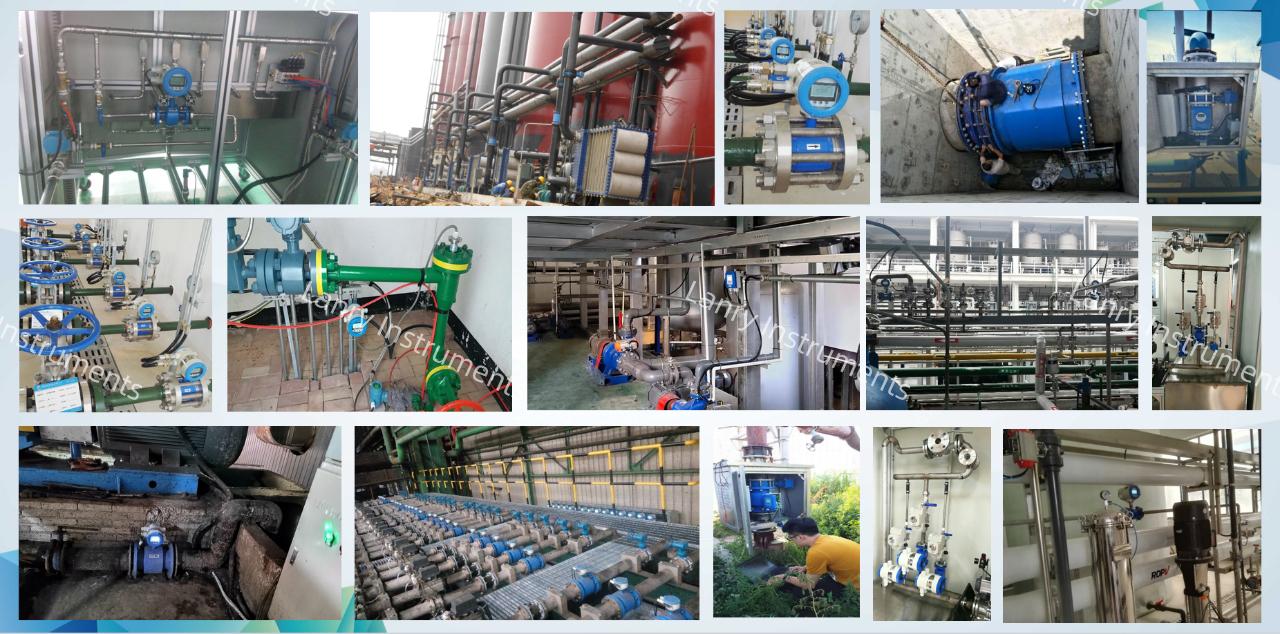
The Middle East, a region renowned for its vast oil and gas reserves, rapidly growing industrial sectors, and increasing focus on sustainable water management, has witnessed a significant rise in the adoption of electromagnetic flowmeters. These sophisticated devices play a crucial role in various industries, ensuring accurate flow measurement, optimizing processes, and contributing to efficient resource utilization.
In the oil and gas industry, which forms the economic backbone of many Middle Eastern countries, electromagnetic flowmeters are indispensable. During oil extraction, these flowmeters are used to measure the flow rate of multiphase mixtures, which typically consist of oil, gas, and water. Accurate measurement of each component's flow is essential for determining the productivity of oil wells, assessing reservoir performance, and optimizing extraction processes. For example, in Saudi Arabia, one of the world's largest oil producers, electromagnetic flowmeters are installed in numerous oil fields. They help operators monitor the flow of crude oil from wells to processing facilities, ensuring that the transportation pipelines operate at optimal capacity and that any discrepancies or blockages are detected promptly.
In refineries across the Middle East, electromagnetic flowmeters are used to measure the flow of various refined products, such as gasoline, diesel, and jet fuel. Precise measurement is critical for inventory management, ensuring that the right amount of products is stored and distributed. Additionally, these flowmeters assist in maintaining the quality of refined products by accurately measuring the flow of additives during the blending process. In the United Arab Emirates, with its state - of - the - art refineries, electromagnetic flowmeters are integrated into complex production lines to monitor and control the flow of hydrocarbons, helping to meet the high - demand for refined products both locally and globally.
The petrochemical industry in the Middle East also benefits significantly from electromagnetic flowmeters. These meters are used to measure the flow of chemicals and raw materials in production processes, enabling precise control over chemical reactions and ensuring product consistency. For instance, in the production of plastics, electromagnetic flowmeters measure the flow of monomers and catalysts, which directly impacts the quality and properties of the final plastic products. By accurately monitoring the flow, petrochemical companies can optimize their production processes, reduce waste, and enhance overall efficiency.
Beyond the energy and petrochemical sectors, electromagnetic flowmeters are increasingly being adopted in water and wastewater management in the Middle East. Given the region's arid climate and limited water resources, efficient water management is of utmost importance. In municipal water supply systems, electromagnetic flowmeters are used to measure the flow of treated water from treatment plants to distribution networks. This helps water authorities monitor consumption, detect leaks, and manage water distribution more effectively. In countries like Qatar, where large - scale infrastructure projects are underway, electromagnetic flowmeters are installed in water pipelines to ensure a reliable and sustainable water supply to growing urban populations.
In wastewater treatment plants, electromagnetic flowmeters measure the flow of sewage and treated effluent. Accurate measurement is crucial for monitoring the performance of treatment processes, ensuring that wastewater is properly treated before being discharged into the environment. By measuring the flow of influent and effluent, operators can optimize the use of treatment chemicals, adjust treatment processes, and comply with strict environmental regulations.
In conclusion, electromagnetic flowmeters have become an integral part of various industries in the Middle East region. Their applications in the oil and gas, petrochemical, water, and wastewater sectors contribute significantly to operational efficiency, resource conservation, and environmental protection. As the Middle East continues to develop and diversify its economy, the demand for electromagnetic flowmeters is expected to grow, further enhancing their role in driving sustainable development in the region.
Post time: May-07-2025