

1. Feasibility of Ultrasonic Flowmeters for Acidic/Alkaline Solutions
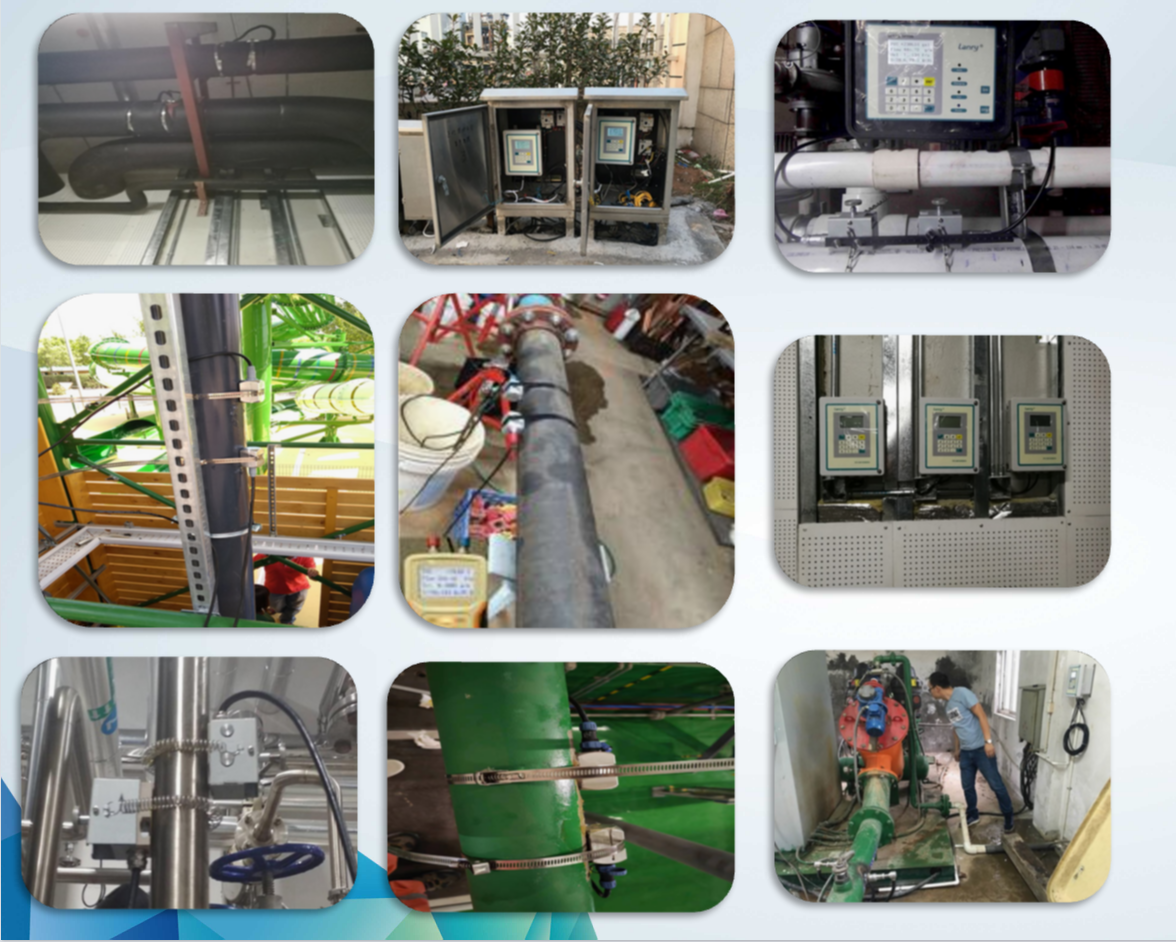
Yes, ultrasonic flowmeters can effectively measure acidic and alkaline solutions, but their suitability depends primarily on transducer material selection and installation type—two factors that directly address the corrosive nature of these fluids. Unlike intrusive meters (e.g., electromagnetic flowmeters with internal electrodes) that risk corrosion from direct contact with strong acids/bases, ultrasonic flowmeters (especially clamp-on models) minimize fluid contact by mounting transducers on the pipeline exterior. For in-line ultrasonic flowmeters (where transducers are in contact with the solution), using corrosion-resistant materials such as PTFE (polytetrafluoroethylene), ceramic, or Hastelloy ensures compatibility with aggressive fluids like sulfuric acid, hydrochloric acid, or sodium hydroxide. As long as the transducer material matches the solution’s corrosivity and the pipe material (e.g., PVC, PVDF for acidic fluids) is compatible, ultrasonic flowmeters maintain stable performance without degradation.
2. Key Advantages Over Traditional Meters for Corrosive Fluids
Ultrasonic flowmeters offer unique benefits when measuring acidic/alkaline solutions, addressing pain points of traditional measurement technologies:
- No Corrosion-Induced Wear: Unlike mechanical flowmeters (e.g., turbine meters) with moving parts that corrode and jam, or electromagnetic meters with metal electrodes prone to acid/alkali attack, ultrasonic flowmeters (clamp-on) have no components in direct contact with the solution. In-line models use non-reactive materials, eliminating corrosion-related accuracy loss or device failure.
- Unaffected by Fluid Conductivity: Acidic and alkaline solutions vary widely in conductivity (e.g., dilute acetic acid has low conductivity, while concentrated sodium hydroxide has high conductivity). Electromagnetic flowmeters rely on fluid conductivity to work and may fail with low-conductivity acids, but ultrasonic flowmeters measure flow via sound wave propagation—conductivity, viscosity, or chemical composition of the solution does not interfere with their readings.
- Minimal Maintenance: Corrosive fluids often cause frequent maintenance for traditional meters (e.g., replacing corroded electrodes or mechanical parts). Ultrasonic flowmeters, with no moving parts or corrodible components, require only occasional checks of transducer alignment or pipe wall condition, reducing downtime and maintenance costs.
3. Critical Considerations for Reliable Measurement
To ensure accurate and long-term measurement of acidic/alkaline solutions, three key factors must be prioritized:
- Transducer Material Compatibility: Select materials based on the solution’s strength and type. For example, PTFE works for most strong acids (except hot concentrated hydrofluoric acid), while ceramic transducers handle high-temperature alkaline solutions (e.g., 80°C sodium hydroxide). Avoid using metal transducers (e.g., stainless steel) for strong corrosive fluids, as they will degrade over time.
- Pipe Condition and Material: The pipeline itself must resist corrosion—common options include PVDF (for strong acids), PVC (for mild acids/bases), or glass-lined steel (for high-temperature corrosive fluids). A damaged or corroded pipe wall can distort ultrasonic signals, leading to measurement errors; ensure the pipe is intact and has a smooth inner surface.
- Temperature and Pressure Limits: Strong acids/bases may operate at elevated temperatures (e.g., industrial-grade sulfuric acid at 60–80°C) or pressures. Confirm the ultrasonic flowmeter’s operating range matches the solution’s temperature and pressure—exceeding these limits can damage transducers or reduce signal accuracy. For high-temperature applications, choose high-temperature-resistant transducers (e.g., ceramic models rated for up to 150°C).
Summary
Ultrasonic flowmeters are a viable and reliable choice for measuring acidic and alkaline solutions, provided that transducer materials are compatible with the fluid’s corrosivity, and pipeline conditions meet basic requirements. Their non-intrusive design (for clamp-on models) or corrosion-resistant in-line components, combined with immunity to fluid conductivity, make them superior to traditional meters in corrosive environments. By addressing material compatibility, pipe condition, and operating limits, ultrasonic flowmeters deliver accurate, low-maintenance flow measurement for industrial, chemical, or wastewater applications involving acidic/alkaline fluids.
Post time: Aug-29-2025