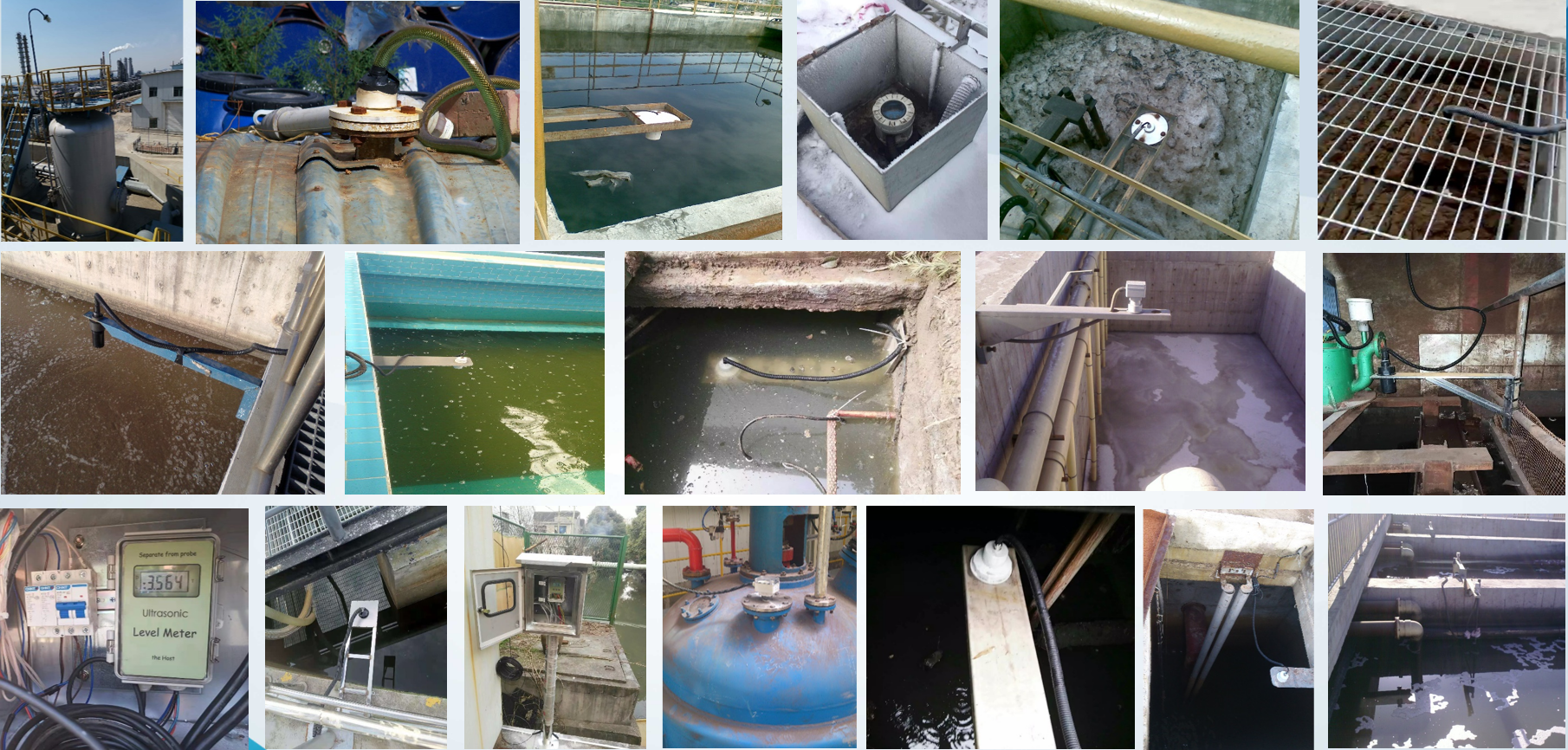
Industrial tanks and storage systems are the backbone of sectors ranging from oil and gas to chemicals, pharmaceuticals, and water treatment. These vessels hold fluids and materials that span from corrosive acids and viscous slurries to high-temperature gases and food-grade liquids, often in environments as extreme as arctic cold, desert heat, or high-pressure industrial plants. The challenge of accurately monitoring 液位 (liquid or solid levels) in such diverse conditions has long plagued operators—until adaptive level meters emerged as a transformative solution. Designed to thrive in the harshest and most variable environments, these devices redefine reliability and precision for industrial storage, ensuring operational efficiency, safety, and compliance.
Traditional level measurement tools fall short when faced with industrial variability. Float switches, for example, fail in viscous fluids that gum up moving parts or corrosive substances that erode components. Pressure transmitters struggle with temperature fluctuations, leading to inaccurate readings in tanks storing hot chemicals or cryogenic liquids. Ultrasonic meters are hindered by dust, vapor, or foamy surfaces in tanks, while radar meters of older designs may struggle with narrow tank openings or complex internal structures. These limitations result in more than just faulty data: they can lead to overfills that cause spills and environmental hazards, underfills that disrupt production, or unplanned downtime for maintenance. For industries operating in remote locations—such as offshore oil rigs or mining sites—reliance on finicky level meters can lead to costly delays and safety risks.
Adaptive level meters address these gaps through innovative design and multi-technology integration, allowing them to adjust to virtually any environmental or fluid condition. At their core, these devices combine advanced sensing technologies—such as guided wave radar, capacitive sensing, and laser measurement—with intelligent software that calibrates performance in real time. For example, guided wave radar models adapt to changes in fluid dielectric constant, ensuring accuracy even when storing mixed chemicals or varying viscosity fluids like molasses or lubricating oil. Capacitive level meters feature customizable probes with corrosion-resistant materials (such as Hastelloy or PTFE), enabling them to withstand exposure to acids, alkalis, and saltwater in chemical plants or marine storage facilities.
What sets adaptive level meters apart is their ability to overcome environmental extremes that cripple traditional tools. In high-temperature environments—such as refineries storing molten hydrocarbons or industrial boilers—these meters are engineered with heat-resistant housings and temperature-compensated sensors that maintain precision up to 800°C. For cryogenic storage (e.g., liquid nitrogen or LNG tanks), they feature insulated probes and low-temperature electronics that operate reliably at -200°C. In high-pressure tanks used in oil and gas transmission, adaptive meters withstand pressures exceeding 10,000 psi without sacrificing accuracy. Even in dusty or humid environments—such as grain silos, cement storage, or wastewater treatment plants—they incorporate dust-proof and waterproof enclosures, with self-cleaning sensors that prevent buildup from interfering with measurements.
The adaptability of these level meters extends beyond environmental resilience to operational flexibility. They are designed to fit any tank type, from large vertical storage vessels and horizontal transport tanks to narrow pipes and underground reservoirs. Many models offer plug-and-play installation, with adjustable mounting options that eliminate the need for custom modifications. For existing tanks, retrofittable designs allow seamless integration without disrupting operations. Software-driven adaptability is another key feature: users can configure parameters for specific fluids, tank shapes, or measurement ranges via mobile apps or cloud platforms. Some advanced models even use machine learning to recognize patterns in environmental changes—such as seasonal temperature shifts or fluid composition variations—and automatically adjust sensing parameters for consistent performance.
Safety and compliance are central to the value of adaptive level meters in industrial settings. Overfill and underfill prevention are critical in industries handling hazardous materials, and adaptive meters provide reliable high and low-level alarms that trigger automated shutdowns or pump controls. Their accuracy ensures compliance with environmental regulations, as precise level data enables accurate reporting of fluid usage, emissions, and waste disposal. In pharmaceutical or food processing facilities, where hygiene and contamination control are paramount, adaptive meters with sanitary probes and FDA-approved materials prevent fluid contamination while withstanding frequent cleaning with harsh chemicals. For industries subject to strict audit requirements—such as oil and gas or chemical manufacturing—these meters maintain detailed measurement logs, simplifying compliance documentation.
Operational efficiency is another major benefit of adaptive level meters. By eliminating inaccurate readings and unplanned downtime, they reduce maintenance costs and production disruptions. Real-time data transmission via IoT connectivity allows operators to monitor levels remotely, eliminating the need for manual inspections in dangerous or hard-to-reach locations. This remote monitoring capability is especially valuable for facilities with multiple tanks or distributed storage systems, enabling centralized management and predictive maintenance. For example, if a sensor detects unusual level fluctuations indicating a leak, operators receive instant alerts, allowing them to address issues before they escalate into costly incidents. Over time, the data collected by adaptive meters provides insights into usage patterns, enabling optimized inventory management and resource allocation.
From chemical plants and refineries to water treatment facilities and food processing plants, adaptive level meters have become indispensable in industrial storage. In offshore oil platforms, they monitor crude oil and produced water tanks despite salt spray, high winds, and extreme pressure. In agricultural storage, they track grain, fertilizer, and liquid nutrient levels in dusty, outdoor silos. In pharmaceutical manufacturing, they ensure precise levels of raw materials in sterile, temperature-controlled tanks. Even in renewable energy facilities—such as biogas plants or hydrogen storage systems—adaptive meters handle unique fluids and environmental conditions, supporting sustainable production.
As industrial processes grow more complex and global supply chains demand greater reliability, the need for adaptive level measurement will only increase. These meters are not just tools for monitoring levels—they are critical components of safe, efficient, and sustainable industrial operations. By adapting to every environment, they free operators from the limitations of one-size-fits-all measurement tools, providing confidence that levels are accurate regardless of fluid type, temperature, pressure, or location.
In the world of industrial storage, where variability is the only constant, adaptive level meters stand as a testament to engineering innovation. They prove that no environment is too harsh, no fluid too challenging, for precise and reliable level measurement. As industries continue to push the boundaries of efficiency and sustainability, these meters will remain essential partners, ensuring that industrial tanks and storage systems operate at their best—today and tomorrow.