

In an era where smart infrastructure and resource efficiency are paramount, GPRS-enabled ultrasonic water meters have emerged as a transformative solution for water management across the globe. Combining the precision of ultrasonic measurement technology with the connectivity of General Packet Radio Service (GPRS), these devices are redefining how utilities, industries, and communities monitor, track, and conserve water—regardless of geographic boundaries.
Ultrasonic water meters, renowned for their accuracy and durability, use sound waves to measure water flow, eliminating the mechanical parts that can wear down over time in traditional meters. This design ensures long-term reliability, even in harsh environments, and minimizes maintenance needs. When integrated with GPRS, a packet-switched mobile data service, these meters gain real-time connectivity, enabling seamless transmission of consumption data to central management systems via cellular networks.
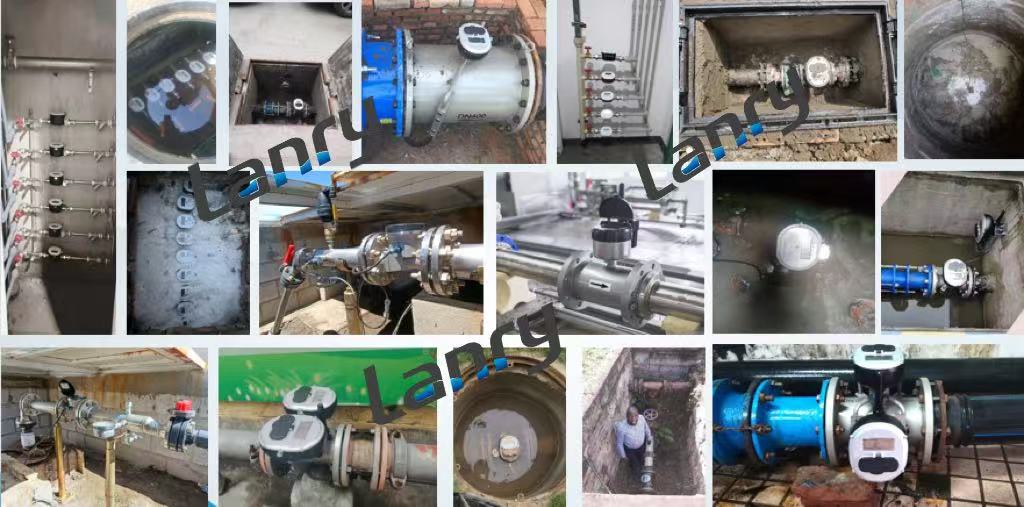
One of the most impactful applications of GPRS ultrasonic water meters lies in urban water utility management. In densely populated cities across Europe, Asia, and North America, utilities struggle with aging infrastructure, leakages, and inefficient billing. GPRS-enabled meters address these challenges by providing utilities with instant access to consumption data. For example, in cities like London and Tokyo, utilities use these meters to detect abnormal usage patterns—such as sudden spikes or drops—that signal leaks, allowing for rapid repairs and reducing non-revenue water loss, which often exceeds 30% in many urban areas. Additionally, remote data transmission eliminates the need for manual meter reading, cutting operational costs and human error, while enabling dynamic pricing models that encourage off-peak usage.
Beyond urban centers, these meters are proving invaluable in rural and remote regions. In areas with sparse populations—such as parts of Australia, sub-Saharan Africa, and rural India—traditional meter reading is logistically challenging and costly. GPRS technology, leveraging existing cellular networks (even 2G/3G, which remains widespread in remote areas), enables utilities to monitor water usage from a distance. This connectivity ensures that even isolated communities receive accurate billing, while utilities gain visibility into usage trends to plan infrastructure upgrades.
Industrial sectors also benefit significantly from GPRS ultrasonic water meters. Factories, power plants, and agricultural operations require precise water monitoring to optimize processes and comply with environmental regulations. GPRS connectivity allows these industries to track water consumption in real time, integrating data with their own management systems to identify inefficiencies. For instance, in agricultural hubs in Brazil and the United States, farmers use these meters to monitor irrigation systems, adjusting water usage based on real-time data to conserve resources and improve crop yields. Similarly, manufacturing facilities in Germany and China use the technology to detect leaks in cooling systems, preventing water waste and avoiding production downtime.
Another critical application is smart city integration. As cities worldwide strive to become more sustainable, GPRS ultrasonic water meters serve as key components of broader smart grids. In Singapore’s "Smart Nation" initiative and Barcelona’s urban digital plan, these meters feed data into centralized platforms that manage water, energy, and waste systems. This integration allows cities to respond proactively to water shortages, manage pressure in distribution networks, and engage residents through apps that display real-time usage, fostering a culture of conservation.
Notably, the adaptability of GPRS technology enhances the global appeal of these meters. Unlike technologies dependent on high-speed 4G or 5G networks, GPRS operates effectively on older cellular infrastructure, making it accessible in developing regions where advanced networks are limited. This accessibility ensures that even communities with basic connectivity can benefit from smart water management, bridging the gap between developed and emerging markets.
In conclusion, GPRS-enabled ultrasonic water meters are revolutionizing water management on a global scale. By combining precision measurement with reliable, widespread connectivity, they empower utilities, industries, and communities to monitor usage efficiently, reduce waste, and build more sustainable water systems. As the demand for resource efficiency grows, these devices will continue to play a pivotal role in shaping the future of water management across diverse geographies and sectors.
Post time: Aug-05-2025