

In an era where technology is revolutionizing every aspect of our lives, the water management industry is no exception. GPRS (General Packet Radio Service) water meters have emerged as a groundbreaking innovation, offering unparalleled efficiency, accuracy, and convenience in measuring and monitoring water consumption. These intelligent devices are transforming the way water utilities, businesses, and households manage their water resources, paving the way for a more sustainable and resource-efficient future.
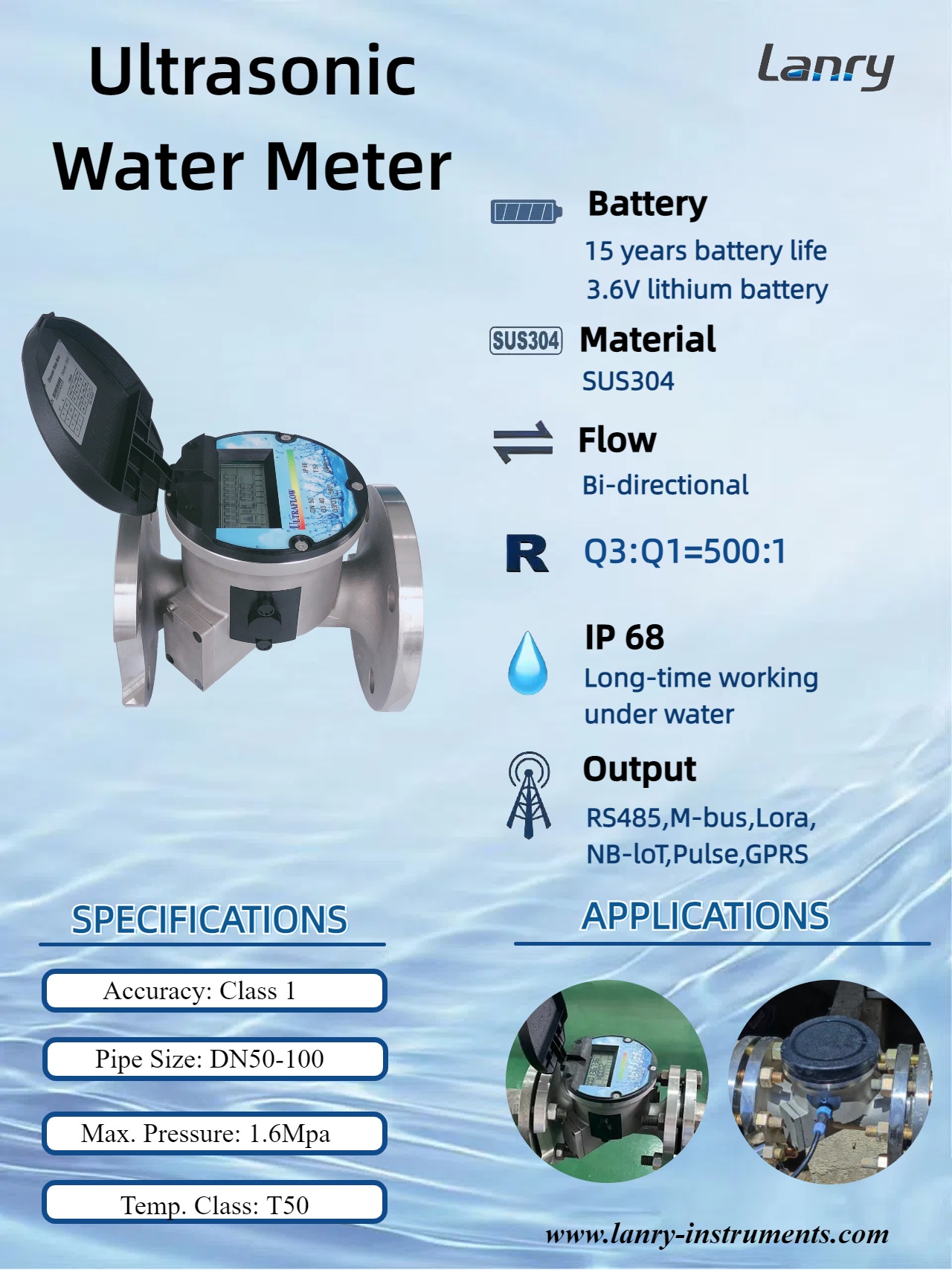
At the heart of GPRS water meters lies their advanced communication technology. Unlike traditional mechanical or electronic water meters that require manual reading and data collection, GPRS water meters are equipped with built-in communication modules that can transmit real-time consumption data wirelessly to a central server or management system. This seamless data transfer eliminates the need for physical meter reading, saving time, reducing labor costs, and minimizing the risk of human error. With GPRS water meters, water utilities can access accurate consumption data instantly, enabling them to monitor water usage patterns, detect leaks promptly, and make informed decisions regarding water distribution and conservation.
One of the key advantages of GPRS water meters is their ability to provide detailed and granular consumption data. These meters can record water usage at regular intervals, such as hourly, daily, or monthly, allowing users to track their consumption patterns over time. This data can be analyzed to identify areas of high water usage, detect leaks or inefficiencies, and implement targeted conservation measures. For example, a business that notices a sudden spike in water consumption can quickly investigate the cause and take corrective action, potentially saving thousands of gallons of water and reducing their water bills.
In addition to their data collection capabilities, GPRS water meters also offer remote monitoring and control features. Water utilities can remotely access and manage the meters, enabling them to perform functions such as meter reading, valve control, and firmware updates without the need for on-site visits. This remote management capability improves operational efficiency, reduces maintenance costs, and enhances the overall reliability of the water distribution system. For example, if a water main breaks or a valve malfunctions, water utilities can remotely shut off the affected area to prevent further water loss and dispatch repair crews to the site.
GPRS water meters also play a crucial role in promoting water conservation. By providing users with real-time consumption data, these meters empower them to make more informed decisions about their water usage. For example, households can monitor their daily water consumption and identify areas where they can reduce waste, such as fixing leaky faucets or using water-efficient appliances. Similarly, businesses can track their water usage and implement water-saving measures to reduce their environmental impact and operating costs.
Another significant benefit of GPRS water meters is their compatibility with smart city and Internet of Things (IoT) initiatives. These meters can be integrated with other smart devices and systems, such as smart grids, smart homes, and environmental monitoring sensors, to create a comprehensive and interconnected water management ecosystem. This integration enables real-time data sharing and analysis, allowing for more efficient resource allocation, improved decision-making, and enhanced sustainability. For example, in a smart city, GPRS water meters can be integrated with weather forecasting systems to predict water demand and adjust water supply accordingly, reducing the risk of water shortages and ensuring a reliable water supply for residents and businesses.
Despite their numerous advantages, the widespread adoption of GPRS water meters still faces some challenges. One of the main challenges is the cost of implementation. GPRS water meters are more expensive than traditional water meters, and the initial investment required to upgrade an existing water meter infrastructure can be significant. However, the long-term cost savings and benefits of using GPRS water meters, such as reduced labor costs, improved operational efficiency, and increased revenue from accurate billing, often outweigh the initial investment.
Another challenge is the need for reliable communication infrastructure. GPRS water meters rely on cellular networks to transmit data, and in some areas, the network coverage may be limited or unreliable. This can result in data transmission delays or errors, which can affect the accuracy and effectiveness of the water management system. To address this challenge, water utilities may need to invest in alternative communication technologies, such as satellite or radio frequency (RF) communication, or work with telecommunication providers to improve network coverage in their service areas.
In conclusion, GPRS water meters are a game-changer in the water management industry. These intelligent devices offer a wide range of benefits, including real-time data collection, remote monitoring and control, detailed consumption analysis, and compatibility with smart city and IoT initiatives. While there are still some challenges to overcome, the potential for GPRS water meters to transform the way we manage our water resources and promote sustainability is enormous. As technology continues to evolve, we can expect to see even more advanced and innovative GPRS water meter solutions in the future, further enhancing the efficiency and effectiveness of water management systems around the world.
Post time: May-07-2025