

Installing a level meter correctly is crucial for ensuring accurate and reliable measurements. Here are key considerations:
First, assess the application environment thoroughly. Understand the properties of the medium being measured, such as its viscosity, corrosiveness, temperature, and pressure. For example, if dealing with corrosive liquids, choose a level meter with compatible materials like stainless steel or specialized alloys to prevent damage. High-temperature environments may require meters designed to withstand heat without performance degradation.
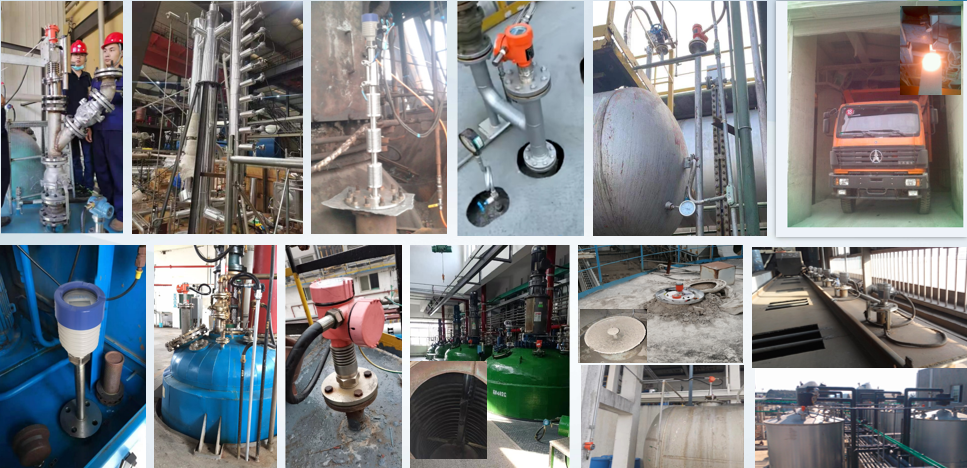
Next, select the right installation location. Avoid areas with excessive turbulence, as it can cause inaccurate readings. Steer clear of pipe elbows, valves, or pumps that create flow disturbances. For open tanks, install the meter where the liquid surface is stable, away from inlets or outlets. In closed vessels, ensure the sensor is positioned to avoid contact with obstacles like agitators or internal structures.
Proper mounting orientation matters. For ultrasonic level meters, maintain a vertical line of sight to the liquid surface to prevent signal reflection issues. Radar meters should be aligned perpendicular to the surface, with no obstructions in the beam path. Capacitance probes need secure mounting to ensure consistent contact with the medium, avoiding loose connections that affect accuracy.
Calibration and setup are essential post-installation. Follow the manufacturer’s guidelines to calibrate the meter based on the tank’s dimensions and the medium’s characteristics. Set appropriate parameters such as measurement range, output signals, and alarm thresholds. Conduct tests with known liquid levels to verify accuracy and make adjustments as needed.
Consider environmental factors like dust, humidity, or extreme temperatures. Use protective enclosures for meters in harsh conditions to shield sensitive components. Ensure proper grounding to prevent electrical interference, which can disrupt signal transmission and cause erroneous readings.
Regular maintenance access should be planned. Install the meter in a location that allows easy inspection, cleaning, and repair. For example, avoid placing it in hard-to-reach corners or areas with limited space for technicians to work.
By paying attention to these factors, you can maximize the performance and lifespan of a level meter, ensuring it provides accurate data for efficient process control and monitoring.
Post time: Jul-17-2025