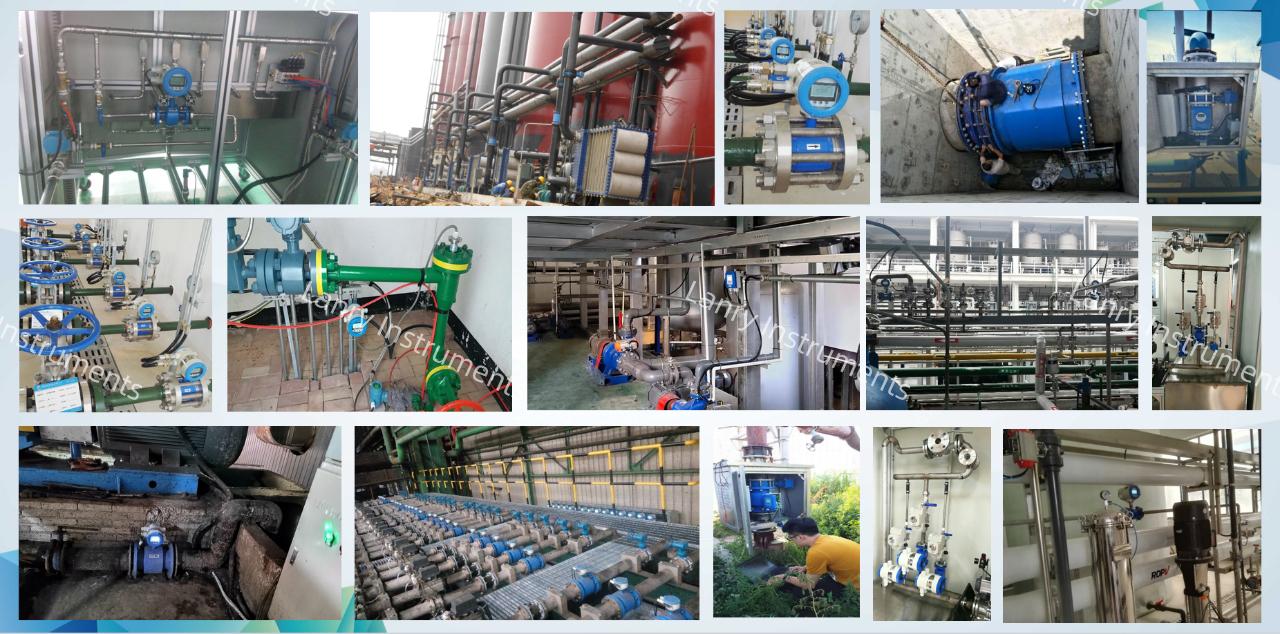
In industrial fluid management, accuracy and efficiency are non-negotiable—but so is long-term cost control. For operations ranging from water treatment plants to chemical manufacturing facilities, the search for measurement tools that balance precision with minimal upkeep has led many to a game-changing solution: low-maintenance electromagnetic flow meters (EMFs). Unlike traditional mechanical flow meters that rely on moving parts prone to wear, clogging, or corrosion, these advanced devices leverage Faraday’s Law of electromagnetic induction to deliver reliable data—all while slashing maintenance time, labor costs, and unplanned downtime. In today’s fast-paced industrial landscape, low-maintenance EMFs are not just a convenience; they are a strategic investment in operational excellence.
At the core of low-maintenance EMFs’ value lies their non-intrusive, part-free design. Traditional flow meters, such as turbine or positive displacement models, use rotating components or physical barriers to measure fluid flow. Over time, these parts degrade due to friction, exposure to abrasive or corrosive fluids (e.g., wastewater with sediments, chemical slurries), or buildup of contaminants like scale or sludge. This degradation forces frequent inspections, part replacements, and calibration—costly processes that often require shutting down the entire system. Low-maintenance EMFs, by contrast, have no moving parts. Instead, they feature a sensor tube lined with corrosion-resistant materials (e.g., PTFE, rubber) and two electromagnetic coils. When fluid passes through the tube, the coils generate a magnetic field, and electrodes detect the voltage induced by the fluid’s movement—directly calculating flow rate without any physical contact. This design eliminates the risk of part failure, clogging, or mechanical wear, drastically reducing the need for routine servicing. For a municipal water treatment plant, for example, this means avoiding monthly shutdowns to clean turbine meters; instead, the EMF operates continuously, with only annual calibration checks required.
Beyond reducing maintenance labor, low-maintenance EMFs drive cost efficiency through durability and versatility. Their robust construction—including stainless steel housings and chemical-resistant liners—ensures they withstand harsh industrial environments, from high-temperature oil refineries to acidic mining operations. Unlike mechanical meters that may need full replacement every 2–3 years, a well-maintained EMF can last a decade or more, cutting capital expenditure cycles. Additionally, their ability to measure a wide range of fluids—from conductive liquids (water, chemicals) to viscous slurries (cement, food pastes)—eliminates the need to invest in multiple meter types for different processes. A food and beverage manufacturer, for instance, can use the same low-maintenance EMF to monitor both syrup flow in a bottling line and wastewater discharge, avoiding the cost of specialized meters for each application. This versatility not only simplifies inventory management but also reduces training time for staff, who only need to learn one device’s operation.
Critically, low-maintenance EMFs do not sacrifice measurement accuracy for convenience—a key concern for industries where precise flow data directly impacts product quality, regulatory compliance, and resource optimization. Their electromagnetic technology delivers accuracy rates of ±0.5% to ±1% of full scale, even in turbulent flow conditions or when fluids contain suspended solids. For a chemical plant blending raw materials, this level of precision ensures batch consistency, reducing waste from over- or under-dosing. For oil and gas operations, it enables accurate tracking of fuel transfers, preventing revenue loss from measurement errors. Moreover, many modern low-maintenance EMFs include smart features such as digital displays, remote monitoring capabilities, and self-diagnostic alerts. These tools allow operators to track flow data in real time, identify potential issues (e.g., abnormal flow rates) before they escalate, and perform virtual calibrations—further minimizing downtime. A pharmaceutical manufacturer, for example, can use remote monitoring to ensure sterile water flow meets FDA standards 24/7, without sending technicians into cleanrooms for frequent checks.
In an era where industrial operations face mounting pressure to reduce costs, improve sustainability, and enhance productivity, low-maintenance electromagnetic flow meters stand out as a pragmatic solution. Their part-free design eliminates costly maintenance cycles, their durability extends equipment lifespan, their versatility reduces capital outlays, and their precision safeguards quality and compliance. For plant managers and operations teams, the math is clear: investing in a low-maintenance EMF is not just about buying a flow meter—it’s about investing in long-term operational resilience. Whether used in water treatment, manufacturing, or energy production, these devices prove that cost-effectiveness and measurement excellence can go hand in hand—turning a routine tool into a driver of industrial success.