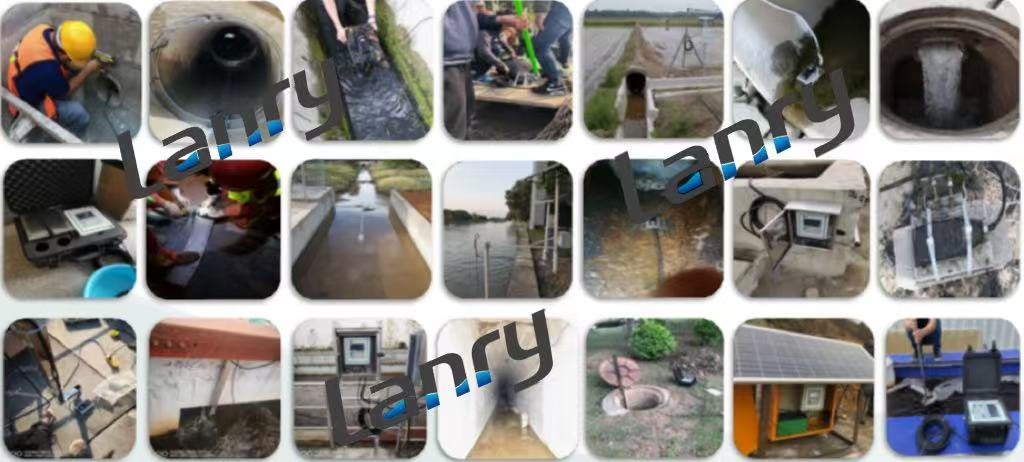
In industrial, municipal, and environmental applications—where fluids flow through unconfined channels (such as rivers, canals, wastewater ditches, or irrigation trenches)—accurate flow measurement is critical for resource management, regulatory compliance, and operational efficiency. Unlike closed-pipe meters (e.g., ultrasonic or electromagnetic models) that rely on enclosed fluid systems, open channel flow meters are designed to measure flow in open, gravity-driven channels, addressing the unique challenges of unconfined flow—such as variable water levels, sediment buildup, and environmental fluctuations. From monitoring wastewater discharge at treatment plants to optimizing irrigation in agricultural fields, these meters have become indispensable tools for industries that depend on reliable data to manage water resources. By combining adaptable technology with rugged design, open channel flow meters not only solve the complexities of unconfined flow measurement but also drive sustainability, cost savings, and compliance—solidifying their role in modern fluid management.
The effectiveness of open channel flow meters stems from their tailored operating principles, which account for the dynamic nature of open flow. Unlike closed-pipe systems (where flow rate is linked to pressure and pipe diameter), open channel flow is determined by two key factors: the channel’s cross-sectional area and the fluid’s velocity. To measure this, open channel meters typically use one of two core technologies: weirs or flumes, paired with a level sensor (e.g., ultrasonic, radar, or pressure-based). Weirs are notches (e.g., V-shaped, rectangular) installed in the channel; as water flows over the weir, the height of the water above the notch (known as “head”) correlates to flow rate, which the level sensor calculates using pre-calibrated formulas. Flumes, by contrast, are constricted sections of the channel that accelerate flow; the level sensor measures water height at a specific point in the flume, and flow rate is derived from the relationship between height and velocity. This design addresses the biggest challenge of open flow—variability: whether the channel carries low-volume wastewater or high-volume stormwater, weirs and flumes create a consistent, measurable flow pattern, ensuring accuracy even as water levels fluctuate. For a municipal wastewater treatment plant, this means reliably tracking effluent discharge to meet environmental regulations; for a farmer, it ensures precise irrigation dosing to avoid overwatering crops.
Beyond accuracy, open channel flow meters deliver operational resilience in harsh or unpredictable environments. Unlike delicate closed-pipe meters that can be damaged by sediment or debris, open channel models are built for rugged use: weirs and flumes are often made of corrosion-resistant materials (e.g., stainless steel, fiberglass, or concrete) to withstand exposure to chemicals, UV radiation, or abrasive sediments (e.g., sand in agricultural runoff). Level sensors, too, are designed for durability: ultrasonic sensors, for example, are mounted above the water (no direct contact) to avoid fouling by algae or sludge, while radar sensors work in dusty, rainy, or icy conditions—ensuring year-round performance. Maintenance is equally streamlined: unlike mechanical meters that require frequent part replacements, open channel systems need only periodic checks (e.g., cleaning weir notches of debris, calibrating level sensors annually). For a mining operation, which often deals with sediment-laden water, this means minimal downtime; for a remote irrigation district, it eliminates the need for frequent site visits to service fragile equipment.
Open channel flow meters also offer versatility and scalability, making them suitable for diverse applications across industries. They can be customized to fit any channel size—from small agricultural ditches (a few inches wide) to large industrial canals (10+ feet wide)—and adapted to different fluid types, including clean water, wastewater, stormwater, and even slurries. This flexibility is critical for industries with varied needs: environmental agencies, for instance, use open channel meters to monitor river flow for flood prediction; power plants rely on them to measure cooling water intake from lakes; and oil refineries use them to track wastewater discharge to prevent pollution. Additionally, modern open channel meters integrate with smart systems: level sensors can transmit real-time data to IoT platforms via wireless (LoRaWAN, cellular) or wired connections, allowing remote monitoring and automated alerts. For a water utility managing multiple irrigation channels, this means centralizing data to optimize water distribution; for a factory, it enables instant notifications if flow rates exceed regulatory limits—avoiding fines and environmental harm.
As global water scarcity and environmental regulations become more stringent, open channel flow meters have emerged as a sustainable, future-proof solution for unconfined flow measurement. Their ability to handle variable conditions, resist harsh environments, and integrate with smart technology makes them essential for organizations seeking to manage water resources efficiently and compliantly. Whether used to protect ecosystems (by monitoring river health), reduce waste (by optimizing irrigation), or ensure regulatory compliance (by tracking industrial discharge), these meters prove that open channel flow measurement doesn’t have to be complex—or unreliable. In a world where responsible water management is critical, open channel flow meters are more than just tools—they are partners in driving sustainability, operational excellence, and long-term resource security. For any industry working with unconfined fluid systems, investing in an open channel flow meter is not just a choice—it’s a commitment to efficient, compliant, and sustainable water management.