

Introduction
In the world of fluid measurement, not all flows follow confined, pressurized paths—think of rivers, wastewater channels, and irrigation ditches. For these unpressurized, open-channel systems, traditional closed-pipe flowmeters fall short. This is where the open-channel flowmeter emerges as an indispensable solution. Unlike devices designed for pipes, open-channel flowmeters calculate flow rates by measuring water level (stage) and combining it with channel geometry, leveraging principles tailored to free-surface flows. From monitoring river discharge for flood prediction to tracking wastewater output in treatment plants, these meters bridge a critical gap in fluid management. Modern iterations, equipped with ultrasonic, radar, or weir/flume-based technology, have transformed once-manual, error-prone measurements into real-time, precise data, making them vital for environmental protection, industrial compliance, and agricultural efficiency.
Key Advantages
Open-channel flowmeters stand out for their ability to address the unique challenges of unpressurized flows. Their most notable strength is adaptability to diverse channel types. Whether measuring flow in a narrow industrial gutter, a wide river, or a concrete wastewater channel, these meters can be configured to match varying widths, depths, and slopes—no need for costly pipe modifications. Unlike closed-pipe meters, they also handle flows with high solids content (e.g., sewage with debris or river water with sediment) without clogging. Many models, such as ultrasonic open-channel flowmeters, use non-contact sensors that avoid direct contact with fluids, preventing fouling and reducing maintenance.
Another key advantage is their cost-effectiveness for large-scale flows. Monitoring wide rivers or large wastewater channels with closed-pipe systems would require expensive, custom-sized pipes—an impractical solution. Open-channel flowmeters, by contrast, work with existing channels, minimizing installation costs. They also offer reliable accuracy when paired with proper channel calibration. For example, when used with a weir (a small dam that creates a known flow pattern), accuracy can reach ±2%, meeting strict regulatory standards for environmental reporting and industrial compliance. Additionally, modern models feature low power consumption, making them suitable for remote locations (e.g., rural irrigation canals) where grid power is unavailable.
Real-World Applications
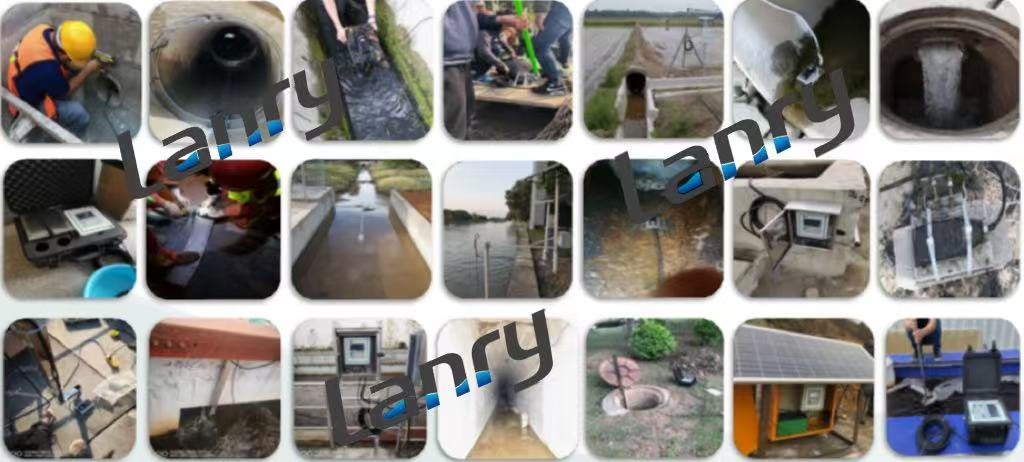
The versatility of open-channel flowmeters makes them essential across multiple sectors. In environmental monitoring, they are critical for river and stream management. Hydrologists use them to measure discharge (volume of water flowing per unit time) in rivers, providing data to predict floods, assess drought risks, and protect aquatic ecosystems. For instance, during heavy rains, real-time flow data from these meters helps emergency teams issue flood warnings, safeguarding nearby communities. They also monitor the flow of water in lakes and reservoirs, supporting sustainable water resource management.
In wastewater treatment, open-channel flowmeters are a regulatory necessity. Treatment plants use them to measure the inflow of raw sewage and the outflow of treated effluent, ensuring compliance with local environmental laws that limit pollutant discharge. They also track flow rates in aeration tanks and sedimentation basins, optimizing treatment processes to reduce energy use and improve efficiency. For industrial facilities (e.g., factories, refineries), these meters monitor the flow of industrial wastewater before it enters public sewers, preventing overloading of municipal treatment systems.
The agricultural sector relies on open-channel flowmeters for precision irrigation. Farmers use them to measure the flow of water in canals and ditches, ensuring that crops receive the right amount of water—no more, no less. This not only conserves freshwater (a precious resource in arid regions) but also reduces costs associated with over-irrigation, such as soil erosion and nutrient leaching. In large-scale agricultural operations, these meters integrate with automated irrigation systems, allowing for remote control and data-driven water management.
Specialized Designs
To meet sector-specific needs, open-channel flowmeters come in specialized configurations. Ultrasonic open-channel flowmeters are the most versatile, using sound waves to measure water level without contact. They are ideal for wastewater treatment (where fluids are dirty) and environmental monitoring (where non-intrusive measurement is preferred). Many feature temperature compensation, ensuring accuracy even in extreme weather conditions (from freezing winters to hot summers).
Radar open-channel flowmeters excel in harsh environments. They use radio waves to measure water level, making them suitable for areas with high dust, fog, or vapor (e.g., industrial smokestacks or humid agricultural regions). Unlike ultrasonic models, radar meters are not affected by air temperature or humidity, providing consistent accuracy in challenging conditions. They are also durable, with weatherproof enclosures that withstand rain, snow, and strong winds.
For applications requiring high precision, weir- and flume-based flowmeters are the gold standard. A weir is a barrier with a notched top that creates a predictable flow pattern; a flume is a narrow, specially shaped channel that accelerates flow. By measuring the water level above the weir notch or within the flume, these meters calculate flow rates with exceptional accuracy. They are commonly used in wastewater treatment plants, industrial facilities, and laboratories where regulatory compliance demands precise measurements.
Installation and Maintenance
Proper installation is key to the accuracy of open-channel flowmeters. The first step is channel preparation: the channel must be straight and free of debris for at least 10 times the channel width upstream and 5 times downstream of the meter. This ensures stable flow, which is critical for accurate level measurements. For weir- or flume-based meters, the weir/flume must be installed level and aligned with the channel to avoid flow distortion. Non-contact meters (ultrasonic, radar) should be mounted directly above the flow, with no obstacles (e.g., pipes, branches) between the sensor and the water surface.
Maintenance requirements are minimal but essential. For ultrasonic and radar meters, sensor cleaning is periodic—dust, dirt, or bird droppings on the sensor can block signals, leading to inaccurate readings. In wastewater applications, checking for foam (which can interfere with level measurements) and installing foam-breaking devices if needed is important. Weirs and flumes require regular inspection to remove debris (e.g., leaves, trash) that can clog the notch or channel, disrupting flow. Calibration is recommended annually, using a portable flowmeter to verify accuracy and adjust settings if necessary. Many modern meters also have self-diagnostic features, alerting operators to issues like low battery or sensor malfunction.
Future Trends
The future of open-channel flowmeters lies in smarter, more connected technology. IoT integration is a major trend—next-generation meters will transmit real-time flow data to cloud platforms via wireless networks (LoRaWAN, NB-IoT). This allows for remote monitoring, even in remote locations like rural canals or wilderness rivers. For example, environmental agencies can track river flows across a region from a central dashboard, identifying anomalies (e.g., sudden increases from heavy rain) and responding faster to floods.
AI-powered analytics will enhance data usability. By analyzing historical flow data, AI systems can predict future flow patterns—helping farmers plan irrigation schedules or wastewater plants prepare for peak inflows. AI can also detect anomalies (e.g., a sudden drop in flow indicating a blocked channel) and send alerts, reducing downtime and preventing costly issues.
Miniaturization and portability will expand use cases. Compact, battery-powered open-channel flowmeters will become more common for fieldwork—hydrologists can carry them to remote streams to collect temporary data, or technicians can use them to troubleshoot flow issues in industrial channels. These portable models will feature easy-to-use interfaces and wireless data transfer, simplifying on-site measurements.
Conclusion
Open-channel flowmeters are the unsung heroes of unpressurized fluid management, playing a critical role in environmental protection, industrial compliance, and agricultural sustainability. Their ability to adapt to diverse channels, handle dirty fluids, and provide cost-effective accuracy makes them indispensable across sectors. From monitoring river floods to optimizing irrigation, these meters turn raw flow data into actionable insights. As technology advances, IoT connectivity and AI analytics will make them even more powerful, enabling proactive, data-driven decision-making. In a world where water scarcity and environmental regulation are growing concerns, open-channel flowmeters will remain essential tools—ensuring that we measure, manage, and protect our most vital fluid resources effectively.
Post time: Oct-15-2025