

In an era where global water scarcity and urbanization demand smarter resource management, traditional water metering systems—long reliant on mechanical parts prone to wear, inaccuracy, and limited data capabilities—are no longer sufficient. Enter smart ultrasonic water meters: a technological leap that is not just upgrading how we measure water usage, but fundamentally driving the digital transformation of the entire water metering industry. By combining ultrasonic sensing technology with IoT connectivity and data analytics, these devices are redefining efficiency, sustainability, and user engagement in water management.
Unlike mechanical water meters, which use rotating gears to calculate flow (a design that degrades over time, leading to undercounting or maintenance gaps), smart ultrasonic meters operate on a non-intrusive principle. They emit high-frequency sound waves through the water stream; by measuring the time difference between waves traveling with and against the flow, the meter calculates precise flow rates and total usage—all without moving parts. This core advantage eliminates mechanical failure risks, extending the meter’s lifespan to 10–15 years (compared to 5–7 years for mechanical models) and reducing maintenance costs by up to 40%, according to industry reports from the International Water Association (IWA). For utilities, this means fewer service calls, lower replacement expenses, and more reliable long-term operation.
But the true transformative power of smart ultrasonic water meters lies in their digital capabilities. Equipped with IoT modules, these meters transmit real-time usage data to cloud-based platforms, enabling utilities and consumers to access insights remotely. For utilities, this translates to dynamic water management: they can detect leaks in real time (a critical feature, as global water loss from distribution systems averages 32%, per the World Bank) by identifying abnormal flow patterns—even tiny, slow leaks that mechanical meters would miss. In cities like Barcelona, for example, deploying smart ultrasonic meters reduced non-revenue water (water lost to leaks or theft) by 28% within two years, saving millions of cubic meters of water annually. For residential and commercial users, real-time data access fosters greater conservation: apps linked to the meters let users track daily usage, set consumption goals, and receive alerts for unusual spikes—empowering them to cut waste and lower bills.
Beyond efficiency and conservation, smart ultrasonic water meters are laying the groundwork for smart city integration. As urban areas strive to become more sustainable, water infrastructure must align with other digital systems—from energy grids to waste management. Smart ultrasonic meters act as “data nodes” in this ecosystem: their usage data can be integrated with weather forecasts to predict demand (e.g., increasing supply during heatwaves) or with building management systems to optimize water use in commercial complexes. In Singapore, a leader in smart city development, ultrasonic water meters are part of the national “Smart Water Grid” initiative, which uses aggregated meter data to model water demand across neighborhoods, adjust supply in real time, and plan future infrastructure investments. This level of integration was impossible with mechanical meters, which provided only monthly, manual-read data—too slow and fragmented to support dynamic decision-making.
Critics may note that the upfront cost of smart ultrasonic meters is higher than mechanical alternatives, but the long-term returns outweigh this barrier. A 2023 study by the American Water Works Association (AWWA) found that utilities recoup their investment within 3–5 years through reduced water loss, lower maintenance costs, and more accurate billing (eliminating disputes from mechanical meter inaccuracies). For consumers, the savings from leak detection and reduced usage often offset any potential increases in service fees tied to smart meter deployment.
As the world faces growing pressure to manage water resources sustainably, smart ultrasonic water meters are no longer a “nice-to-have” but a necessity. They are not just measuring water—they are enabling a digital shift that makes water management more efficient, transparent, and resilient. For utilities looking to modernize their infrastructure, for cities aiming to become smarter, and for consumers seeking to take control of their usage, these meters are the cornerstone of a more sustainable water future. In the journey toward digital transformation in water metering, smart ultrasonic technology is not just leading the way—it is the catalyst for change.
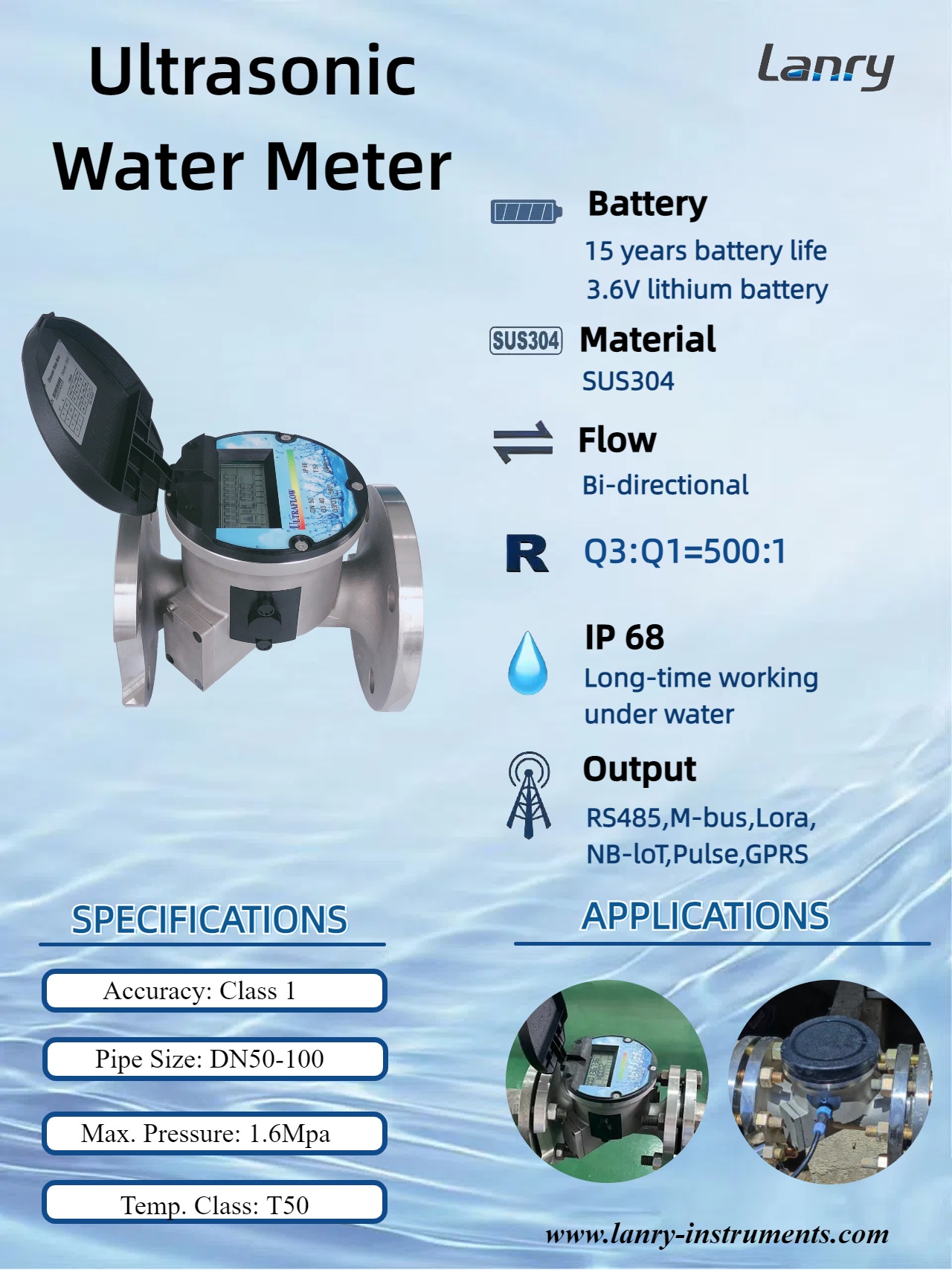
Post time: Oct-20-2025