

Electromagnetic water meters have emerged as a highly efficient and reliable solution in the field of water measurement, offering a range of advantages over traditional mechanical meters. These innovative devices, which operate based on Faraday's law of electromagnetic induction, have revolutionized water metering across various applications, from residential to industrial settings.
One of the key benefits of electromagnetic water meters is their exceptional accuracy. Unlike mechanical meters that rely on moving parts, electromagnetic models have no internal components that come into contact with the flowing water. This eliminates issues such as wear and tear, friction, or clogging caused by debris, ensuring consistent and precise measurement over time. Whether measuring low or high flow rates, they maintain a high level of accuracy, making them ideal for applications where precise water usage data is crucial, such as billing, leak detection, or process control in industries.
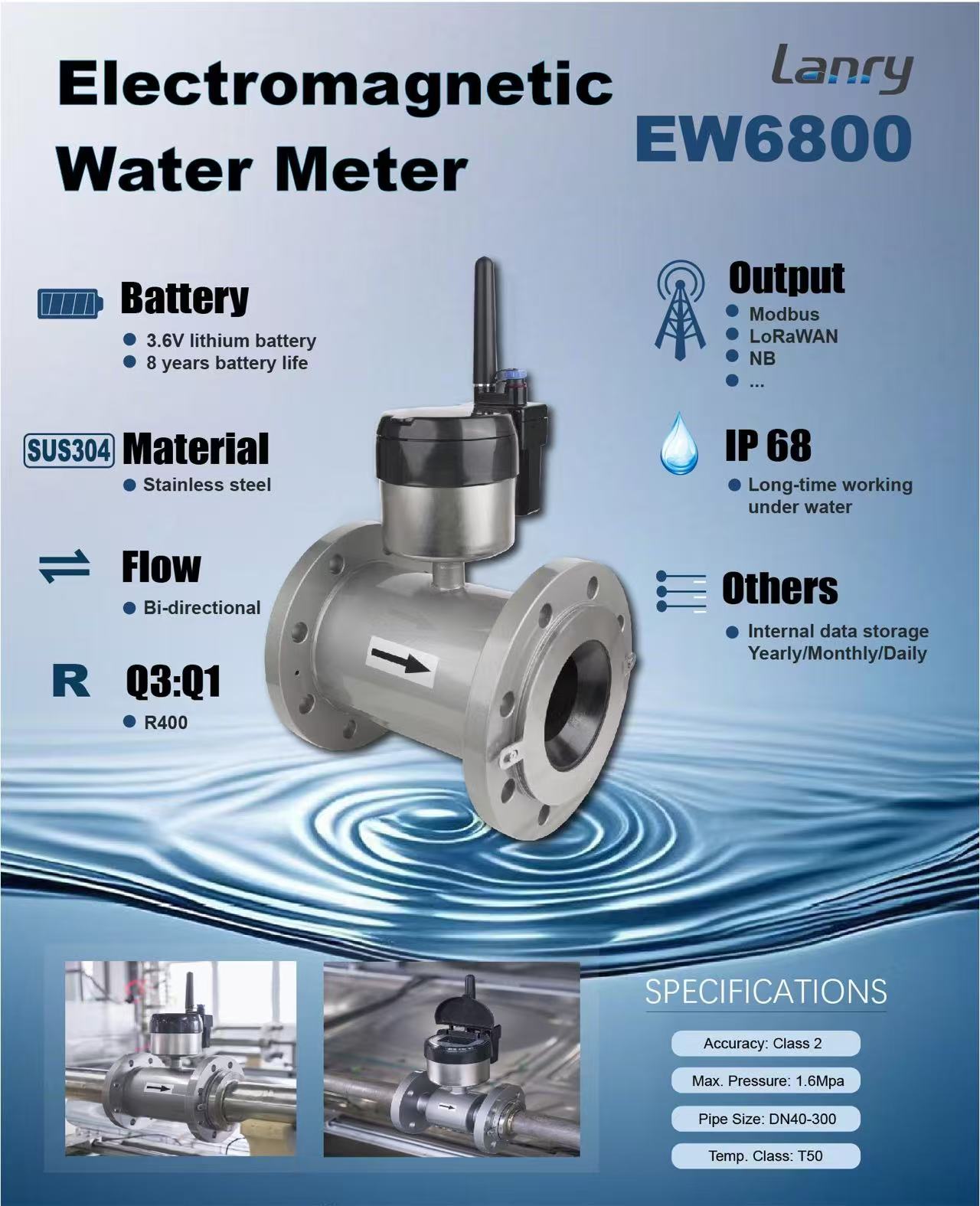
Another significant advantage is their wide range of flow measurement. Electromagnetic water meters can handle a broad spectrum of flow rates, from very low to extremely high velocities. This versatility allows them to be used in diverse scenarios, including small-scale residential water supply systems and large industrial pipelines. They are also capable of measuring both forward and reverse flow, which helps in detecting unauthorized water usage or meter tampering, providing added security for water utilities.
Durability is yet another strong point of electromagnetic water meters. With no moving parts, they are less susceptible to mechanical failure, reducing the need for frequent maintenance and replacement. This not only lowers the overall operational costs but also minimizes downtime, ensuring continuous and reliable water measurement. Additionally, their robust construction materials, such as stainless steel or reinforced plastics, make them resistant to corrosion and damage from harsh water conditions, including water with high levels of impurities or chemicals.
Electromagnetic water meters also offer enhanced functionality and data management capabilities. Many modern models are equipped with digital communication interfaces, such as RS485, M-Bus, or wireless technologies, enabling seamless integration with smart water management systems. This allows for real-time monitoring of water flow, remote data collection, and analysis, which is invaluable for water utilities in optimizing water distribution, identifying leaks promptly, and improving overall efficiency. Some advanced models even come with features like data logging, which stores historical usage data for further analysis and reporting.
Furthermore, these meters are environmentally friendly. Their energy-efficient design consumes minimal power, making them suitable for battery-powered applications where long-term operation is required without frequent battery replacements. Additionally, their non-intrusive measurement method does not disrupt the water flow, reducing energy losses in the pipeline system compared to some mechanical meters that may create pressure drops.
In conclusion, electromagnetic water meters stand out for their accuracy, wide flow range, durability, advanced functionality, and environmental benefits. As the demand for efficient and reliable water management continues to grow, these meters are becoming an increasingly popular choice, playing a vital role in promoting sustainable water usage and improving the efficiency of water distribution systems worldwide.
Post time: Jul-24-2025