

Doppler ultrasonic flowmeters have emerged as indispensable tools across a wide range of industries, thanks to their unique ability to measure fluid flow non-invasively and accurately, even in challenging conditions. Their operation is based on the Doppler effect, where the frequency shift of ultrasonic waves reflected off moving particles or bubbles in the fluid is used to calculate the flow rate. This versatility makes them suitable for a diverse array of applications.
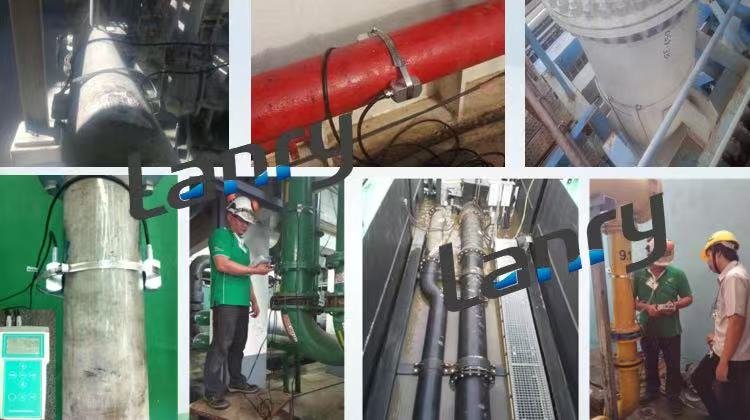
In the water and wastewater treatment industry, Doppler ultrasonic flowmeters play a crucial role. They are used to monitor the flow of raw sewage, which often contains suspended solids, debris, and varying levels of viscosity. Traditional flowmeters may get clogged or damaged by such substances, but Doppler meters, with their non-intrusive design, can be installed externally on pipes, avoiding direct contact with the fluid. This allows for continuous and reliable measurement, helping operators optimize treatment processes, ensure compliance with regulatory standards, and manage water resources efficiently. For example, they can track the flow into and out of sedimentation tanks, ensuring that the treatment stages are operating at optimal capacity.
The oil and gas sector also benefits significantly from these flowmeters. In upstream operations, they are used to measure the flow of multiphase fluids (a mixture of oil, gas, and water) in pipelines. These fluids are often turbulent and contain solids, making accurate measurement challenging. Doppler ultrasonic flowmeters can handle these conditions, providing real-time data on flow rates that helps in reservoir management, well testing, and production optimization. In midstream and downstream operations, they monitor the flow of crude oil, refined products, and natural gas in pipelines, ensuring efficient transportation and preventing leaks. Their ability to work with high-pressure and high-temperature fluids adds to their appeal in this industry.
In chemical processing plants, where fluids can be corrosive, toxic, or have high levels of suspended solids, Doppler ultrasonic flowmeters are a reliable choice. They are used to measure the flow of various chemicals, such as acids, bases, and slurries, during production processes. The non-intrusive nature of these meters eliminates the risk of contamination and reduces maintenance costs, as there are no moving parts or wetted components that can corrode or wear out. This ensures accurate measurement even in aggressive environments, helping plant operators maintain product quality, control reaction rates, and ensure safety.
The food and beverage industry is another area where Doppler ultrasonic flowmeters find application. They are used to measure the flow of liquids such as milk, juice, syrups, and sauces, which may contain particles like pulp, seeds, or solids. The non-invasive installation ensures that the fluid remains uncontaminated, adhering to strict hygiene standards. These flowmeters help in controlling the flow during mixing, blending, and filling processes, ensuring consistent product quality and reducing waste. For instance, in a juice production plant, they can monitor the flow of juice into bottling lines, ensuring that each bottle is filled to the correct volume.
In mining operations, Doppler ultrasonic flowmeters are used to measure the flow of slurries, which are mixtures of water and solid particles like ore, sand, and gravel. Slurries are abrasive and can cause significant wear and tear on traditional flowmeters. Doppler meters, with their external mounting, avoid this issue, providing long-term reliability. They help in monitoring the flow of slurries in pipelines used for transporting minerals, controlling the dosage of chemicals in processing, and managing water usage in mining operations. Accurate flow measurement is essential for optimizing the efficiency of mining processes and reducing operational costs.
Additionally, in agriculture, Doppler ultrasonic flowmeters are used to measure the flow of irrigation water in pipes. They help farmers monitor water usage, ensuring that crops receive the right amount of water, which is crucial for water conservation and maximizing crop yields. They can also be used to measure the flow of fertilizers and pesticides in irrigation systems, ensuring precise application.
In conclusion, Doppler ultrasonic flowmeters have proven their worth in a multitude of industries, from water treatment and oil and gas to chemical processing, food and beverage, mining, and agriculture. Their ability to handle challenging fluid conditions, non-intrusive design, and accurate measurement make them an invaluable tool for optimizing processes, ensuring compliance, and reducing costs. As technology continues to advance, these flowmeters are likely to find even more applications in various sectors, further enhancing their importance in industrial operations.
Post time: Jul-17-2025