

Ultrasonic water meters are emerging as a transformative solution in Africa’s water management landscape, addressing critical challenges such as water scarcity, aging infrastructure, and the need for efficient resource allocation. As the continent grapples with rapid urbanization and a growing population, these advanced meters are gaining traction across residential, commercial, and municipal sectors, offering unique advantages tailored to Africa’s diverse needs.
One of the key drivers behind the adoption of ultrasonic water meters in Africa is their ability to operate reliably in variable water conditions. Many regions face issues with water quality, including sediment, mineral deposits, or occasional turbidity—factors that can hinder the performance of traditional mechanical meters. Ultrasonic models, which use sound waves to measure flow without moving parts, are less susceptible to clogging or wear, ensuring consistent accuracy even in harsh environments. This durability is particularly valuable in rural areas where maintenance resources are limited, reducing the need for frequent repairs and replacements.
Water scarcity is a pressing concern in many African countries, making efficient usage monitoring paramount. Ultrasonic water meters provide precise data on consumption, enabling utilities to detect leaks, reduce non-revenue water, and implement targeted conservation measures. In urban centers like Nairobi, Lagos, or Johannesburg, where water distribution networks often suffer from losses due to aging pipes, these meters help utilities pinpoint inefficiencies. For example, real-time flow data can alert operators to sudden spikes indicating burst pipes, allowing for faster repairs and minimizing water waste—a critical step in preserving limited water resources.
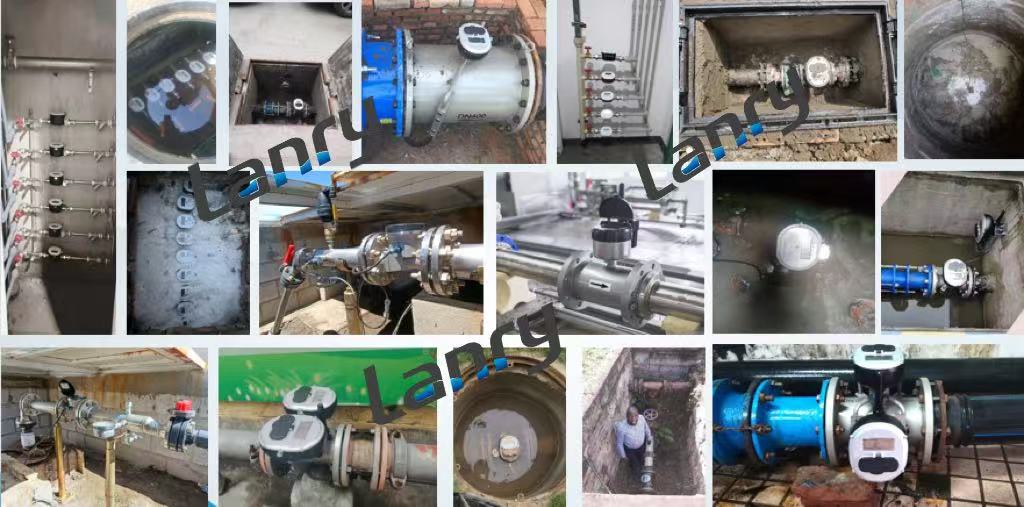
The scalability of ultrasonic water meters also aligns with Africa’s diverse infrastructure needs. From informal settlements with basic plumbing to modern high-rise developments, these meters can be installed in a range of pipe sizes and materials, including PVC and metal, without requiring major overhauls. This flexibility is crucial in regions where infrastructure development is ongoing, allowing for seamless integration into both new construction and retrofitted systems. Additionally, many ultrasonic meters are compatible with smart monitoring platforms, enabling remote data collection—a game-changer for utilities managing large, dispersed service areas.
In rural communities, where access to reliable water supply is often inconsistent, ultrasonic meters support equitable resource distribution. By accurately measuring usage, they help prevent disputes over water allocation and enable community-led management initiatives. For instance, in agricultural areas dependent on irrigation, these meters can track water usage for farming, ensuring that resources are shared fairly and promoting sustainable agricultural practices.
Government initiatives and international partnerships are further boosting the market for ultrasonic water meters in Africa. Many countries are investing in water sector reforms, aiming to improve service delivery and financial sustainability. Ultrasonic meters, with their ability to reduce revenue losses through accurate billing, help utilities become more financially viable, allowing them to reinvest in infrastructure upgrades. International organizations and NGOs are also supporting projects that deploy these meters, recognizing their role in achieving Sustainable Development Goal 6—ensuring availability and sustainable management of water and sanitation for all.
While challenges such as initial installation costs and technical training remain, the long-term benefits of ultrasonic water meters are driving their adoption. As African nations prioritize water security and efficient resource management, these meters are set to play an increasingly vital role. They not only enhance operational efficiency for utilities but also empower communities and households to take control of their water usage, paving the way for a more sustainable and water-secure future across the continent.
Post time: Jul-30-2025