

1. Introduction
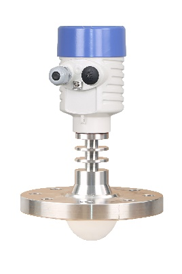
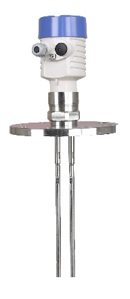
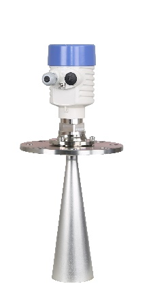
Radar level meters have emerged as a critical instrument in various industries for accurately measuring the level of liquids and solids in storage tanks, process vessels, and other containers. Leveraging radar technology, these devices send out radio waves and calculate the distance to the surface of the substance by analyzing the time it takes for the waves to bounce back. This non - contact or guided - wave measurement approach offers several advantages over traditional level - measuring methods, such as high accuracy, reliability, and the ability to operate in harsh environments. As industries worldwide continue to seek more efficient and precise process control solutions, the radar level meter market has been witnessing significant growth and dynamic changes.
2. Market Size and Growth Projection
The global radar level meter market has been on an upward trajectory in recent years. In 2024, the market was valued at a substantial amount, and it is projected to experience a remarkable compound annual growth rate (CAGR) during the forecast period from 2025 to 2031. This growth is fueled by multiple factors. For instance, in the oil and gas industry, which is one of the major consumers of radar level meters, the continuous exploration and production activities, along with the need for accurate inventory management of oil, gas, and various petrochemical products, drive the demand for these advanced level - measuring devices. Similarly, in the chemical industry, where precise monitoring of liquid levels in reaction vessels and storage tanks is crucial for ensuring safe and efficient production processes, radar level meters are increasingly being adopted.
3. Regional Market Analysis
3.1 North America
North America holds a significant share in the global radar level meter market. The United States, in particular, is a major contributor to the regional market. The presence of a large number of oil and gas production facilities, petrochemical plants, and power generation units in the region drives the demand for radar level meters. These industries require highly accurate level - measuring solutions to optimize their operations, comply with strict safety and environmental regulations, and prevent costly spills and accidents. Moreover, the region's strong focus on technological innovation and the adoption of advanced industrial automation systems further propels the growth of the radar level meter market. For example, many oil refineries in the US are upgrading their existing level - monitoring infrastructure with state - of - the - art radar level meters to improve the accuracy of inventory management and enhance overall plant efficiency. The market in North America is expected to continue growing steadily, with a projected CAGR during the forecast period, as investments in the energy and manufacturing sectors remain robust.
3.2 Europe
Europe is another key market for radar level meters. Countries like Germany, the UK, France, and Italy have a well - developed industrial base, with significant activities in sectors such as chemicals, pharmaceuticals, and food and beverage. In the pharmaceutical industry, for example, radar level meters are used to accurately measure the levels of liquid ingredients in production processes, ensuring product quality and consistency. In the chemical industry, they play a vital role in monitoring the levels of hazardous chemicals, helping to prevent leaks and ensure worker safety. The European market benefits from the region's stringent environmental and safety regulations, which encourage industries to invest in reliable and accurate level - measuring technologies. Additionally, the increasing trend towards Industry 4.0 and the digitalization of industrial processes in Europe is creating more opportunities for the adoption of smart radar level meters that can integrate with other industrial systems for real - time data monitoring and control. The market in Europe is anticipated to grow at a healthy rate, driven by these factors.
3.3 Asia - Pacific
The Asia - Pacific region is emerging as a rapidly growing market for radar level meters. Countries like China, India, Japan, and South Korea are witnessing significant industrial expansion, especially in sectors such as petrochemicals, power generation, and manufacturing. In China, for instance, the massive investments in infrastructure development, including the construction of new oil and gas pipelines, storage facilities, and power plants, are fueling the demand for radar level meters. The growing awareness among industries in the region about the importance of efficient process control and accurate inventory management, along with the government's initiatives to promote sustainable development and environmental protection, are also contributing to the market growth. In addition, the increasing affordability of radar level meters and the availability of local manufacturers in Asia - Pacific are making these products more accessible to a wider range of industries. As a result, the Asia - Pacific market is expected to outpace other regions in terms of growth rate, with a high CAGR projected during the forecast period.
3.4 Other Regions
Latin America, the Middle East, and Africa also present opportunities for the radar level meter market. In Latin America, countries like Brazil and Mexico have a significant presence of industries such as oil and gas, mining, and agriculture. The oil and gas sector, in particular, requires reliable level - measuring devices for its production and transportation operations. In the Middle East, the region's dominance in the global oil and gas industry drives the demand for radar level meters in oil fields, refineries, and storage terminals. The need for accurate inventory management and the prevention of oil spills are key factors contributing to the market growth in this region. In Africa, the emerging industrialization and the development of infrastructure, such as the construction of water treatment plants and power generation facilities, are creating a growing demand for radar level meters. Although the market in these regions is currently smaller compared to North America, Europe, and Asia - Pacific, it is expected to grow steadily as industries continue to develop and modernize.
4. Competitive Landscape
The global radar level meter market is highly competitive, with a number of key players vying for market share. Companies such as Siemens, ABB, Endress + Hauser, Emerson Electric, and Krohne are among the leading manufacturers in the industry. These companies have a strong global presence, with a wide range of products catering to different industry needs. For example, Siemens offers a comprehensive portfolio of radar level meters that are known for their high accuracy, reliability, and advanced features. The company invests heavily in research and development to continuously improve its products and stay ahead of the competition. ABB also has a diverse product line of radar level meters, which are designed to meet the specific requirements of various industries, such as oil and gas, chemicals, and water treatment. Endress + Hauser is recognized for its innovative solutions and excellent customer support, while Emerson Electric is known for its high - quality products and strong brand reputation.
In addition to these major players, there are also many regional and niche manufacturers in the market. These smaller companies often focus on specific applications or regions, offering customized solutions to meet the unique needs of their customers. The competition in the market is intense, with companies competing on factors such as product quality, price, innovation, and customer service. To gain a competitive edge, manufacturers are constantly introducing new and improved products, leveraging advanced technologies such as wireless communication, artificial intelligence, and data analytics to enhance the performance and functionality of their radar level meters.
5. Market Drivers
5.1 Industry Requirements for Precision and Efficiency
Industries across the board are placing increasing emphasis on precision and efficiency in their operations. In the oil and gas industry, accurate measurement of liquid levels in storage tanks and pipelines is crucial for inventory management, production optimization, and compliance with regulatory requirements. Radar level meters offer higher accuracy compared to traditional level - measuring methods, reducing the margin of error in inventory calculations and helping companies avoid costly over - or under - production. In the chemical industry, precise control of liquid levels in reactors and storage vessels is essential for ensuring the quality and safety of chemical processes. By providing real - time and accurate level data, radar level meters enable better process control, leading to increased efficiency and reduced waste.
5.2 Stringent Safety and Environmental Regulations
Stringent safety and environmental regulations are being imposed globally, especially in industries that handle hazardous substances. In the oil and gas, chemical, and pharmaceutical industries, for example, companies are required to implement reliable level - monitoring systems to prevent spills, leaks, and other accidents that could pose a threat to human health and the environment. Radar level meters, with their ability to provide accurate and continuous level measurements, help industries comply with these regulations. They can detect even small changes in liquid levels, allowing for early intervention and prevention of potential disasters. Moreover, in the context of environmental protection, accurate level measurement in water treatment plants and wastewater management facilities is crucial for optimizing treatment processes and reducing the discharge of pollutants into the environment.
5.3 Technological Advancements
Ongoing technological advancements in radar level meter technology are driving market growth. The development of higher - frequency radar sensors has led to improved accuracy and the ability to measure levels in challenging environments, such as in tanks with foam, vapor, or turbulent liquid surfaces. Wireless communication capabilities are being integrated into radar level meters, enabling remote monitoring and control. This is particularly beneficial for industries with large - scale operations and geographically dispersed facilities, as it allows operators to access real - time level data from anywhere, facilitating better decision - making. Additionally, the integration of artificial intelligence and machine learning algorithms in radar level meters is enhancing their performance by enabling predictive maintenance, self - calibration, and more accurate data analysis.
6. Challenges and Restraints
6.1 High Initial Cost
One of the main challenges facing the adoption of radar level meters is their relatively high initial cost compared to some traditional level - measuring devices. The advanced technology and sophisticated components used in radar level meters contribute to their higher price tag. This can be a deterrent for small and medium - sized enterprises (SMEs) with limited budgets, especially in emerging economies. For example, a small - scale chemical manufacturing plant may find it difficult to invest in radar level meters when more affordable, albeit less accurate, alternatives are available. However, as technology continues to advance and economies of scale come into play, the cost of radar level meters is expected to decrease over time, making them more accessible to a wider range of customers.
6.2 Technical Complexity and Installation Requirements
Radar level meters often require specialized knowledge and skills for proper installation and calibration. The installation process may involve complex tasks such as ensuring the correct alignment of the radar sensor, adjusting the signal strength, and integrating the meter with other industrial systems. Incorrect installation can lead to inaccurate measurements and system malfunctions. Moreover, the maintenance and troubleshooting of radar level meters also demand technical expertise. This technical complexity can pose a challenge for some end - users, especially those with limited in - house technical resources. To address this issue, manufacturers are increasingly providing training and support services to help customers with installation, calibration, and maintenance.
7. Future Outlook
The future of the radar level meter market looks promising, with continued growth expected in the coming years. The increasing demand for precision and efficiency in industrial operations, the enforcement of stricter safety and environmental regulations, and the ongoing technological advancements will continue to drive the market forward. As industries become more digitalized and connected, there will be a growing need for smart radar level meters that can integrate with Internet of Things (IoT) platforms, cloud computing, and other digital technologies. This will enable more advanced data analytics, remote monitoring, and predictive maintenance capabilities, further enhancing the value of radar level meters to end - users. Additionally, as the cost of radar level meters gradually decreases and their performance improves, they are likely to penetrate new markets and applications, expanding the overall market size. However, manufacturers will need to continue to innovate and address the challenges such as cost and technical complexity to fully capitalize on the growth opportunities in the market.
Post time: Jun-05-2025