

The Market Landscape of Electromagnetic Flow Meters in Europe
1. Current Market Size and Growth Trends
The electromagnetic flow meter market in Europe has been on a growth trajectory in recent years. In 2024, the global electromagnetic flow meter market was valued at USD 1,839.78 million, and Europe holds a significant share in this global market. It is projected that the global market size will reach USD 2,803.09 million by 2031, growing at a compound annual growth rate (CAGR) of 6.2%. Europe, with its extensive manufacturing capabilities and strict regulatory environment, is a major contributor to this growth.
The market growth in Europe can be attributed to several factors. Firstly, the region has a strong industrial base. Sectors such as chemicals, oil & gas, and utilities are widespread across European countries. These industries require accurate flow measurement for efficient operations. For example, in the chemical industry, precise control of fluid flow is crucial for ensuring the quality of chemical reactions. In the oil & gas sector, electromagnetic flow meters are used to measure the flow of crude oil, refined products, and various process fluids. The presence of numerous large - scale industrial plants in countries like Germany, France, and the UK drives the demand for electromagnetic flow meters.
Secondly, environmental regulations play a pivotal role. The European Union has implemented strict environmental standards, especially in relation to water and wastewater management. Wastewater treatment plants need to accurately measure the flow of influent, effluent, and sludge. Electromagnetic flow meters, with their high accuracy and ability to handle a wide range of fluids, are well - suited for these applications. As industries strive to comply with regulations regarding pollution control and resource conservation, the demand for these flow meters continues to rise.
2. Key Applications
2.1 Water and Wastewater Treatment
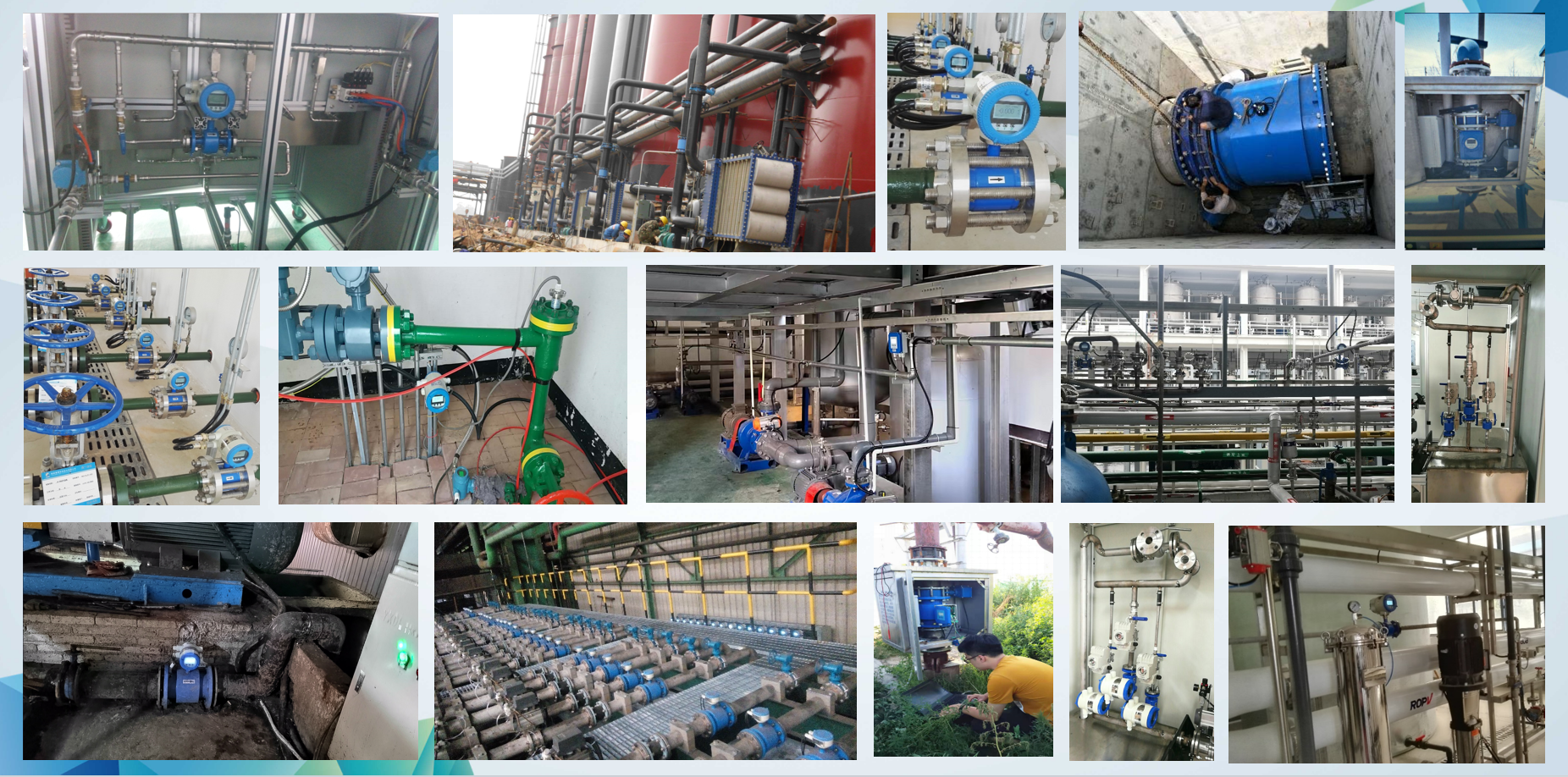
This is one of the largest application areas for electromagnetic flow meters in Europe. Municipal water supply systems use these meters to monitor the flow of potable water. By accurately measuring the water flow, water utility companies can better manage distribution, detect leaks, and optimize pumping operations. In wastewater treatment, electromagnetic flow meters are used at multiple stages. They measure the incoming sewage flow, the flow of activated sludge in the treatment process, and the final effluent flow before it is discharged into the environment. In a large - scale wastewater treatment plant in Berlin, Germany, electromagnetic flow meters are installed at various points in the treatment process. These meters help in maintaining the correct ratio of chemicals added during treatment, ensuring that the treated water meets the strict EU environmental standards.
2.2 Chemical and Petrochemical Industries
The chemical and petrochemical sectors in Europe are highly developed. These industries deal with a wide variety of corrosive, abrasive, and viscous fluids. Electromagnetic flow meters, with their non - intrusive design and compatibility with different types of fluids, are ideal for these applications. In a petrochemical refinery in Rotterdam, Netherlands, electromagnetic flow meters are used to measure the flow of crude oil, gasoline, and various chemical intermediates. They can accurately measure the flow of corrosive acids and alkalis used in chemical production processes. Their ability to operate without moving parts reduces the risk of mechanical failure in harsh chemical environments.
2.3 Food and Beverage Production
In the food and beverage industry, hygiene and accurate measurement are of utmost importance. Electromagnetic flow meters with food - grade linings (such as EPDM rubber or PTFE) are used to measure the flow of liquids like milk, juice, beer, and syrup. They ensure that the correct amount of ingredients is used in production, which is essential for maintaining product quality and consistency. For example, in a large - scale brewery in Belgium, electromagnetic flow meters are used to precisely control the flow of water, malt extract, and hops during the brewing process. This helps in producing beer with a consistent taste and quality batch after batch.
3. Major Players and Market Competition
The European electromagnetic flow meter market is highly competitive, with several major global players having a significant presence.
- Endress+Hauser: Based in Germany, Endress+Hauser is a leading provider of measurement instruments, including electromagnetic flow meters. The company offers a wide range of products suitable for different applications. Their flow meters are known for their high accuracy, reliability, and advanced features such as integrated sensors for temperature and pressure measurement. They have a strong global distribution network and provide excellent after - sales service. Endress+Hauser's products are widely used in industries across Europe, from water treatment plants in Italy to chemical plants in the UK.
- Krohne Messtechnik: Another German company, Krohne Messtechnik, specializes in developing and manufacturing process instrumentation, including electromagnetic flow meters. Their products are designed to meet the needs of various industries, with a focus on accuracy, durability, and ease of use. Krohne's electromagnetic flow meters are used in applications such as oil and gas pipelines, power generation plants, and food and beverage production facilities in Europe.
- ABB: ABB, a Swiss - Swedish multinational corporation, offers a comprehensive range of electromagnetic flow meters. The company's products are characterized by their advanced technology, high - quality construction, and compatibility with modern industrial automation systems. ABB's electromagnetic flow meters are used in large - scale industrial projects in Europe, contributing to efficient process control and monitoring.
These major players compete based on factors such as product innovation, quality, price, and customer service. They are constantly investing in research and development to introduce new and improved products. For example, they are developing electromagnetic flow meters with enhanced communication capabilities, such as wireless connectivity, to enable seamless integration with Industry 4.0 systems. Smaller local players also exist in the market, often focusing on niche applications or providing customized solutions to meet specific customer needs.
4. Technological Developments
The electromagnetic flow meter technology in Europe is evolving to meet the changing demands of industries. One of the significant trends is the integration of Internet of Things (IoT) technology. Modern electromagnetic flow meters are now equipped with sensors that can measure various parameters such as flow rate, temperature, pressure, and conductivity. These meters can transmit real - time data wirelessly (using technologies like LoRaWAN, 4G/5G) to cloud - based platforms. This allows for remote monitoring, predictive maintenance, and data - driven process optimization. For instance, in a water treatment plant in France, IoT - enabled electromagnetic flow meters can send data to the plant's control center in real - time. Operators can monitor the performance of the flow meters from a remote location, detect any potential issues early, and schedule maintenance proactively.
Another technological development is miniaturization. Compact electromagnetic flow meters are being developed for applications where space is limited, such as in small - scale industrial processes or in - line monitoring in laboratories. These miniaturized meters still maintain high accuracy and performance, opening up new application areas in sectors like pharmaceutical research and microfluidics. Additionally, manufacturers are working on improving the durability of electromagnetic flow meters. New materials are being used for the construction of transducers and linings. For example, reinforced PTFE linings and titanium electrodes are being introduced to enhance the meters' resistance to extreme temperatures (- 40°C to 200°C) and highly corrosive fluids. This makes them suitable for use in harsh environments, such as in deep - sea oil and gas production or in chemical plants dealing with highly reactive substances.
5. Future Outlook
The future of the electromagnetic flow meter market in Europe looks promising. The continued growth of industries such as manufacturing, energy, and environmental services will drive the demand for accurate flow measurement solutions. As environmental regulations become even more stringent, the need for precise monitoring and control of fluid flows in wastewater treatment and industrial processes will increase. The adoption of digital transformation and Industry 4.0 concepts in European industries will also create opportunities for electromagnetic flow meter manufacturers. The ability of these meters to integrate with smart factory systems, providing real - time data for process optimization, will be highly valued.
However, there are also challenges. The relatively high cost of electromagnetic flow meters compared to some other types of flow measurement devices may limit their adoption in some price - sensitive applications. Additionally, the need for regular calibration and maintenance to ensure accurate measurement can be a concern for some users. To overcome these challenges, manufacturers will need to focus on cost - reduction strategies, such as improving manufacturing efficiency and developing more cost - effective technologies. They will also need to provide better training and support to customers on calibration and maintenance procedures. Overall, with the right strategies, the electromagnetic flow meter market in Europe is expected to continue its growth in the coming years.
Post time: Sep-17-2025